



 MENU
MENU
Alternating Pressure Mattresses
Innovative Clinical Solutions
Engineered for the Prevention and Treatment of Stages I-IV Pressure Injuries
Blue Chip Medical therapeutic support surfaces combine alternating pressure and low air loss technology to improve patient outcomes across all care environments.

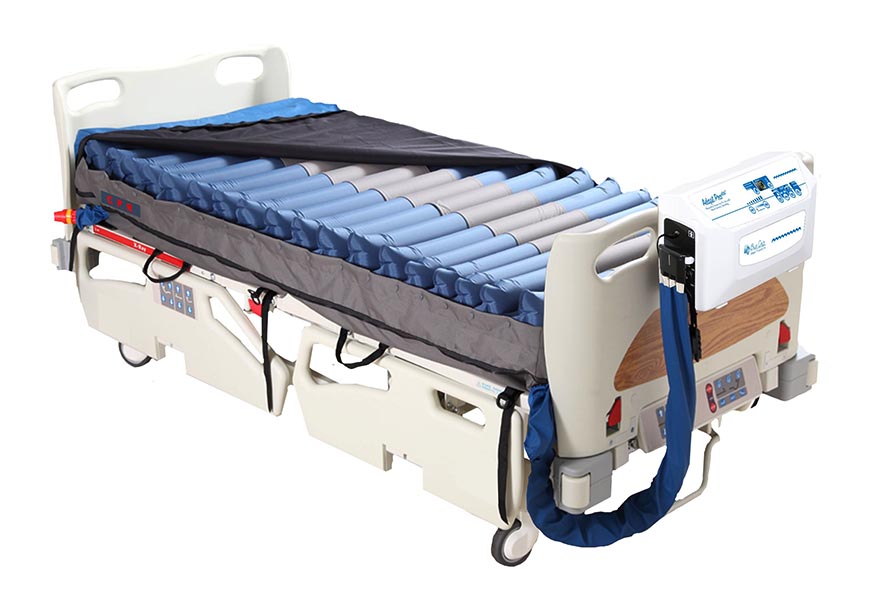
Adapt Pro Elite™
For three decades, Blue Chip Medical Alternating Pressure Mattress Systems have been the clinically effective choice for prevention and treatment of stages I-IV pressure injuries. Blue Chip Medical remains at the forefront of advancing wound prevention and treatment for Hospitals, Institutions, Nursing, Acute care, and Home Care.
Adapt Pro Elite™
Alternating Pressure, Enhanced Low Air Loss Mattress with Patient Sensing Technology. Automatic fowler adjustment. Advanced technology. 36", 42" & 48". Support 400 - 800 lbs. Optional side bolsters.
Apollo 3-Port™
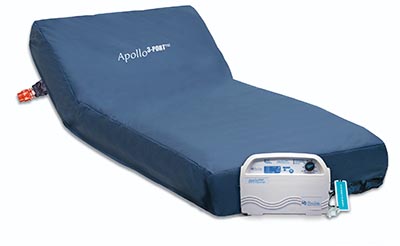
Alternating Pressure Low Air Loss Mattress System. Durable system features alternating and static modes, adjustable comfort & cycle time. 36" x 80" Supports 350 lbs. Optional Side Rail System
Supreme Air™
Alternating Pressure Low Air Loss Mattress System. An extremely quiet system featuring alternating and static modes, adjustable comfort. 36" x 80" Supports 350 lbs. Optional Side Rail System
Power Pro Elite™
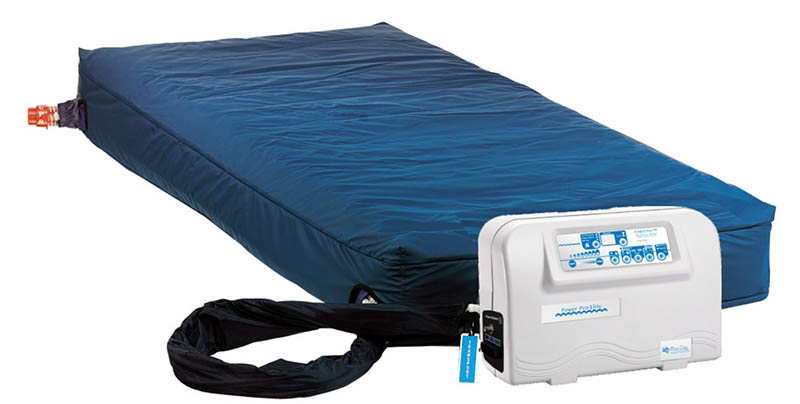
Alternating Pressure Gentle Low Air Loss Mattress System. 36" 42" & 48". Blower technology supports up to 1000 lbs. Alternating, Static & optional pulsation modes. Advanced features.
Tradewind™
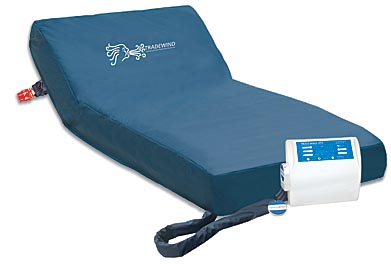
Tradewind Alternating pressure low air loss Mattress System offers unparalleled performance and value. 36", 42" & 48". Tradewind RTS-RC features a hard-wired remote control.
Rapid-Air™
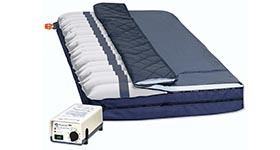
Alternating Pressure Mattress Systems with Gentle Low Air Loss incorporates the features that clinicians demand for their patients in a portable system.
GRZ™ P
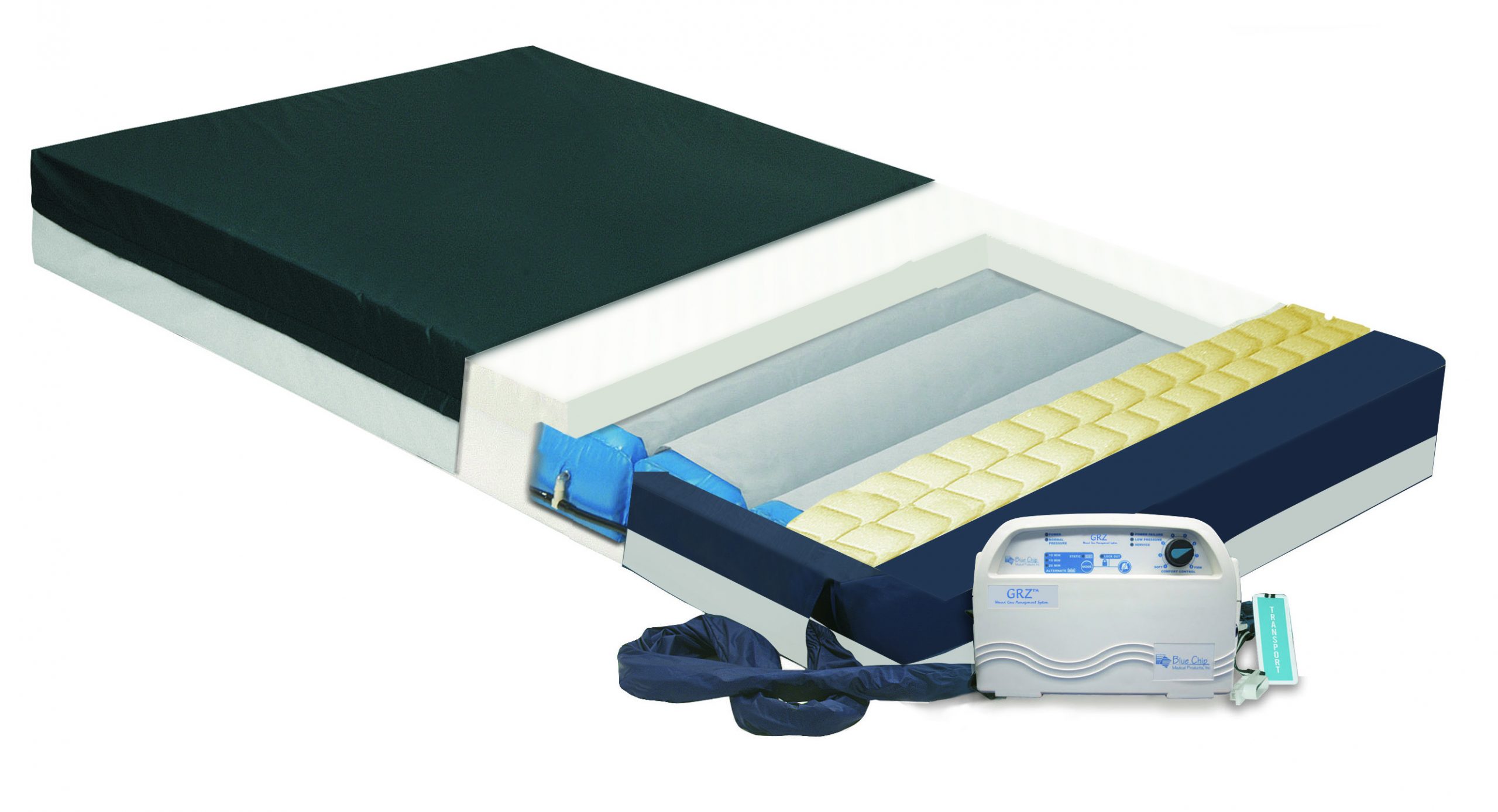
Blue Chip Medical’s innovative GRZ™ self-adjusting air mattress replacement system converts to an Alternating Pressure Mattress System.
Mattress Replacement Covers
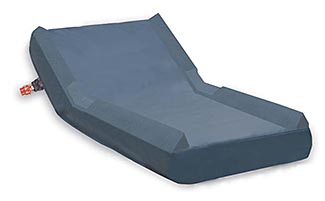
Replacement covers for Blue Chip Alternating Pressure Low Air Loss Mattress Systems. 36" 42" & 48" Optional Side Rail System
Why Trust Blue Chip Medical Products
30 Years of Pressure Injury Innovation
For three decades, Blue Chip Medical Products has focused exclusively on advanced therapeutic support surfaces for pressure injury prevention and treatment. This long-term specialization has allowed Blue Chip to refine alternating pressure mattress technology with an emphasis on clinical outcomes, patient comfort, safety, performance and durability under intensive prolonged use.
Blue Chip key technology innovations include:
-
•
Automated Fowler function, which adjusts pressure dynamically as the head of bed is elevated to provide support and help prevent sinking, sliding and skin shear. -
•
Enhanced Low Air Loss, unique delivery of low air loss therapy improving quality of therapy, comfort and immersion. -
•
PST Patient sensing technology, that automatically measures, monitors and adapts support surface based on patient weight and movement. -
•
Power Pro EXP Expandable and Extendable Size, allows for one system to be adapted to be utilized on multiple size frames. -
•
GRZ-P Convertible Self-Adjusting Mattress, Converts a non-powered self-adjusting mattress system into a powered alternating pressure mattress system. -
•
Tactilus Pressure Mapping Systems, Powerful mattress and seating mapping systems gives clinicians vital surface pressure data. -
•
PowerTurn ALT, 4 therapies in 1 system: Takes Lateral rotation therapy to the next level with Alternating Pressure, True Low Air Loss & Pulsation -
•
ProDaptive™ SensorCell™, Revolutionary innovation for advanced pressure injury treatment.
Blue Chip alternating pressure mattresses are available for standard hospital beds as well as specialized configurations, including pediatric, geriatric, and bariatric patients up to 1,000 lbs. All systems are designed for both institutional and homebound use, with U.S.-based manufacturing and warehousing in New York to support consistent quality control, customization, and reduced lead times.


Custom Mattress & Seating Surfaces
Bariatric, Pediatric & Geriatric.

Why this matters to the patient
-
•
Prevention and Treatment of Stages I-IV Pressure Injury -
•
Comfort -
•
Quiet operation -
•
Ease of repositioning -
•
Specialized features targeting sacral, coccyx and heel wounds -
•
Compact, feature rich, plug and play
Why this matters to the care giver
-
•
Clinically effective for prevention and treatment of Stages I-IV Pressure Injury pressure injuries -
•
Prevention for at-risk individuals and rapid healing reduce liability -
•
Patient comfort reduces patient calls -
•
Ease of repositioning reduces caregiver back injury during care -
•
Features provide ease of patient care and transfer -
•
Automated features keep patient in optimal therapy while reducing caregiver workload -
•
Low Maintenance -
•
Rapid deployment -
•
Cleans easily
Scientific Evidence and Clinical Studies on Alternating Pressure Mattress Systems
Alternating pressure mattress systems—particularly those combined with low air loss therapy—are among the most studied support surfaces for preventing and treating pressure injuries in patients with limited mobility, chronic illness, or post-surgical needs.
Systematic reviews, including Cochrane analyses, indicate that alternating pressure (active) air surfaces redistribute pressure through cyclical inflation and deflation, helping to:
-
•
Reduce prolonged tissue compression -
•
Improve local blood circulation -
•
Support a healthier skin microclimate -
•
Lower the incidence of new pressure injuries in at-risk populations
Key Findings from Clinical Literature
-
•
Alternating pressure air surfaces may reduce the proportion of patients developing new pressure ulcers compared to standard foam surfaces. -
•
Studies suggest advantages over reactive surfaces where immobility and shear forces are elevated. -
•
When used alongside standard prevention protocols—such as repositioning schedules and skin assessments—alternating pressure mattresses contribute to significantly lower injury rates, with some care settings reporting minimal or zero new pressure injuries in moderate- to high-risk groups.
Blue Chip’s U.S.-made systems, apply these evidence-backed mechanisms while incorporating advanced features to further enhance clinical performance and caregiver usability.

How Do Alternating Pressure Low Air Loss Mattress Systems Work?
An Alternating Pressure Low Air Loss (LAL) mattress system is a therapeutic support surface designed to protect skin integrity and manage pressure injuries by combining pressure redistribution, microclimate control, and shearing protection.

Core Functional Components
-
•
Pressure Redistribution: In alternating pressure systems, air cells inflate and deflate in programmed cycles, shifting pressure away from high-risk areas such as the sacrum, coccyx, buttocks, heels, hips, shoulders, and elbows. This helps reduce prolonged compression that can impair circulation. Occluded blood flow (ischemia) to the skin can result in pressure injury. . -
•
Reactive Hyperemia: When blood flow is interrupted via pressure and the pressure is released (alternating pressure) restoring blood flow, the body’s own protective mechanism increases blood flow through vasodilation. -
•
Low Air Loss: Continuous air circulation maintains a steady airflow throughout the mattress system. This air flow helps to control heat and moisture between the body and the support surface helping skin integrity. Low air loss therapy allows small volumes of air to escape through the top layer of the mattress cover, helping to wick away heat and moisture. Maintaining a cooler, drier skin surface is critical for preventing maceration and skin breakdown. -
•
Adjustability & Automation: Caregivers can adjust firmness, airflow, and therapy cycles. Advanced systems automatically adapt based on patient weight, position changes, and head-of-bed elevation. -
•
Therapeutic Benefits: In addition to pressure injury prevention, alternating pressure mattress systems may improve comfort, reduce pain, and support healing in patients with spinal cord injuries, chronic wounds, or compromised circulation.
Are All Alternating Pressure Mattresses the Same?
No.
There are significant and clinically meaningful differences among alternating pressure mattress systems, including quality, features, functionality, clinical effectiveness, patient comfort, usability, reliability, and durability. Alternating pressure mattress systems generally fall into two distinct categories:
-
•
Consumer-Grade Systems: Designed primarily to meet insurance and Medicare reimbursement price points, often compromising on materials and performance. -
•
Hospital-Grade Systems: All Blue Chip Alternating mattress systems are engineered for clinical effectiveness and rigorous use, undergoing comprehensive evaluation by clinical leadership.
Blue Chip’s clinical team works closely with caregivers to support mattress selection and configuration—including standard, custom, and bariatric solutions.

Alternating Pressure Mattress FAQs
What is an alternating pressure mattress?
An alternating pressure mattress is a medical support surface that uses pressure controlled, air-filled cells that inflate and deflate in programmed cycles to redistribute pressure, improve comforts, reduce prolonged interface pressures and promote blood flow. These systems are commonly used in hospitals, long-term care, acute-care and home-care to help treat and prevent pressure injuries. Many mattress systems integrate low air loss therapy to help provide a healthy micro-climate by providing temperature and moisture control.
How does an alternating pressure air mattress help prevent pressure sores?
An alternating pressure air mattress helps prevent pressure sores by redistributing pressure in timed air-cell cycling. By relieving sustained pressure and supporting circulation, these systems help reduce tissue injury when used as part of a comprehensive care plan that includes repositioning and skin monitoring.
What is the difference between a low air loss mattress and an alternating pressure mattress?
A low air loss mattress focuses on continuous airflow to manage heat and moisture at the skin surface, while an alternating pressure mattress actively redistributes pressure through cyclic air movement. Some advanced systems combine both therapies to address pressure redistribution and microclimate management simultaneously.
Who benefits from a medical air mattress for pressure ulcers?
Medical air mattresses are most beneficial for patients with limited mobility or at elevated risk of pressure injury. This includes those in hospitals, nursing homes, VA facilities and home care. They are commonly used for prevention and treatment across early to advanced-stage pressure injuries and are available in standard widths and lengths as well as bariatric configurations.
How effective is an alternating air mattress for treating pressure sores?
When incorporated into a broader pressure injury prevention protocol, alternating air mattresses are designed for pressure redistribution and have been shown in clinical literature to significantly reduce pressure injury incidence. Effectiveness depends on appropriate patient selection, correct setup, and adherence to repositioning and skin care practices.
What makes a mattress designed to prevent pressure sores different from a foam hospital bed mattress?
A mattress designed to prevent pressure sores uses dynamic pressure redistribution technologies rather than static foam alone. Alternating pressure systems automatically reduce prolonged interface pressure between the body and mattress whether the patient is moving or not as well as help control heat and moisture. These systems offer adjustable comfort and support based on the patient’s weight and body shape.
Is an alternating air mattress suitable for nursing homes?
Yes. Alternating air mattresses are widely used in nursing homes for pressure injury prevention and management. They are valued for their ability to provide continuous pressure redistribution with minimal staff intervention and are commonly selected for residents with limited mobility or chronic care needs.
What weight capacities do alternating pressure mattresses support?
Alternating pressure mattresses are available in a range of weight supporting capacities, from standard (350 lbs) patient use to bariatric (up to 1000 lbs) applications. Bariatric-rated systems are specifically engineered to maintain effective pressure redistribution and structural integrity at higher weight thresholds. While most mattress systems utilize a compressor based pump, many bariatric mattress systems utilize a high-volume air blower to support higher weight capacities.
Are alternating pressure mattresses covered by Medicare?
Many alternating pressure mattresses qualify for coverage or reimbursement under Medicare Group II support surface guidelines when medical necessity criteria are met. Although Medicare has issued an alternating pressure mattress Medicare Code E0277 (Group II), this does not automatically qualify that mattress for reimbursement. Coverage eligibility depends on plan, patient condition, documentation, and coding compliance.
How do you set up and maintain an alternating pressure mattress?
Proper setup includes installation and securing the mattress to the existing bed frame, confirming patient weight, height and body shape, choosing the setting that matches the system’s weight settings, selecting the appropriate therapy mode and time cycles. Routine maintenance typically involves surface cleaning per infection control protocols and periodic system checks. Clinical education and technical support help ensure consistent performance in care environments.

Jeff Adise
Pressure Injury Specialist & Therapeutic Support Surface Expert
Jeff Adise has dedicated more than 28 years to advancing wound care solutions. He is a product specialist and developer of therapeutic support surfaces for the prevention and treatment of Stage I–IV pressure injuries in hospital beds, home recliners, lift chairs, wheelchairs, and other care environments.
Insights from Jeff Adise on Alternating Pressure Therapy
Alternating pressure therapy is often misunderstood because many clinicians and caregivers group different therapeutic support surfaces together even though they serve very different clinical purposes. Jeff’s articles help clarify where alternating pressure fits within pressure injury prevention and treatment and how it differs from other surface technologies such as lateral rotation and specialty foam systems.
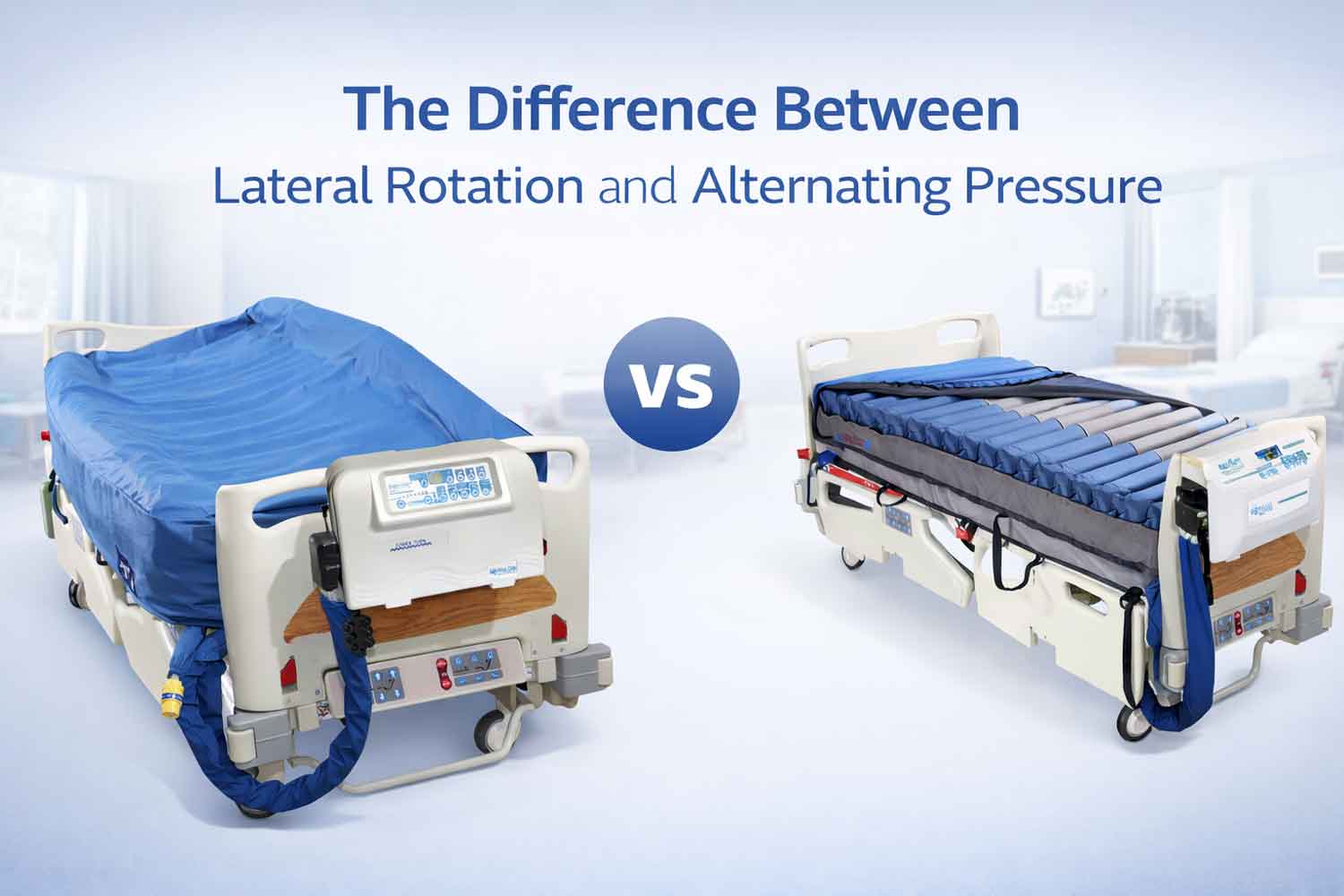
The Difference Between a Lateral Rotation Mattress and an Alternating Pressure Mattress
A Clinical Comparison of Pressure Redistribution and Rotational Therapy

What Is Alternating Pressure Therapy?
A Technical Deep Dive for Clinicians, Hospitals, and Wound Care Professionals