



 MENU
MENU
Mattress Cleaning and Infection Control
Cleaning & Disinfection Protocol for Vinyl-Coated, Laminated, and Nylon Fabrics in Medical Environments
Applicable To:
Mattress Covers, Stretcher Pads, Seating Surfaces Material Types: Vinyl-Coated Fabrics (Medical-Grade Vinyl), Polyurethane Laminates (Vyvex™ III), and Nylon-Based Fabrics (Vyvex™ I & Vyvex™ II) Referencing: Manufacturer Guidance from Blue Chip Medical, Standard Healthcare Infection Control Practices, and Material Safety Data Considerations.
1. Cleaning Sequence and General Guidelines
Routine Surface Cleaning Steps:
1. Pre-Cleaning:
o Begin with a mild soapy water solution (neutral pH) or organic cleaner to remove surface soil, stains (e.g., blood, urine, perspiration), and oils.
o Rinse the surface with clean water prior to applying disinfectant.
2. Disinfection:
o Apply an EPA-registered disinfectant. Approved categories include:
- Quaternary Ammonium Compounds (Quat-based)
- Phenolic Disinfectants (ideal for vinyl)
- Diluted household bleach (1:10 ratio, ~8–10%)
3. Post-Disinfection Rinse:
o After required contact time per the disinfectant label, wipe the surface with a clean, damp, microfiber cloth soaked in water to remove any chemical residue. To ensure the cloth is properly damp, thoroughly saturate it with water, then wring it out to remove excess liquid. This step is critical when using products with pH outside the neutral range.
2. pH Sensitivity and Surface Compatibility
Recommended pH Range: 6 – 8 (Neutral)
This is the safest and preferred range. Cleaning products within this range:
• Do not degrade vinyl, polyurethane, or nylon coatings
• Require no additional neutralizing rinse (though microfiber wipe-down is still advised)
Caution with Non-Neutral pH Products
|
pH RANGE |
RISK LEVEL |
GUIDANCE |
|
2–5 (Acidic) |
Moderate Risk |
Use only if necessary; rinse with damp cloth after use. |
|
9–12 (Alkaline) |
Moderate Risk |
Safe if diluted; always rinse after use. |
|
0–1 or 13–14 |
High Risk |
Avoid; may cause visible, irreversible fabric damage. |
3. Approved Disinfectant Types and Brands
When diluted and used per manufacturer instructions, the following disinfectants are approved:
Quaternary Disinfectants (recommended for Vyvex-III™ urethane-coated fabric )
• Micro-Scientific Opti-Cide3 (PurposeBuilt Brands)* compatible with vinyl coated & nylon fabrics
• Virex (S.C. Johnson)
• Sanikleen (West Chemical)
• Quanto (Huntington)
• Forward DC (S.C. Johnson)
• Tri-Quat (Vestal)
Phenolic Disinfectants (recommended for Vyvex-I™ / Vyvex-II™ & vinyl-coated fabrics)
• Vesphene II (Vestal)
• LPH (Vestal)
• Beaucoup (Huntington)
• Matar (Huntington)
Bleach Solution
• Household bleach diluted to 1:10 (~8–10%) is acceptable for vinyl and nylon when wiped off after use.
4. Handling Practices & Precautions
• Covers must be cleaned after each patient use and during terminal cleaning.
• Do not launder or autoclave mattress covers. However, if laundering is absolutely necessary, use only a gentle cycle with warm water in a non-commercial washing machine. Do not machine dry—hang dry only. Do not use heat or autoclave methods under any circumstances.
• Do not open zippers during cleaning or use.
• Wear appropriate PPE (gloves, gown, eye protection as needed) during cleaning.
• Avoid use of:
o Iodophor disinfectants (e.g., Betadine) – they stain and degrade surfaces.
o Harsh solvents or undiluted alcohols
o Abrasive brushes or scouring pads
5. Special Note on Commercial Disinfectant Wipes
• Clorox Wipes: pH 2–3 (acidic)
• PDI Super Sani-Cloth: pH 10–12 (alkaline)
Both fall outside the neutral pH range. While effective, they must be followed by a water-damp cloth wipe to prevent degradation of fabric coatings.
6. Summary of Best Practices
|
STEP |
ACTION |
|
Pre-Clean |
Remove organic material with neutral soap and water |
|
Disinfect |
Use quaternary or phenolic disinfectant per label |
|
Rinse |
Always follow with microfiber cloth dampened with water if using non-neutral pH agents |
|
Dry |
Allow surface to air dry completely before reuse |
|
Inspect |
Regularly check for cracking, fading, or seam separation |
By following these integrated guidelines, healthcare facilities can maintain infection control compliance while preserving the integrity of coated and laminated fabrics on support surfaces.
New Products


Continuing Education Program

For Clinical or Technical Assistance
CALL 800 795-6115
For technical assistance or help choosing the correct product for your specific application.

Recent Blog
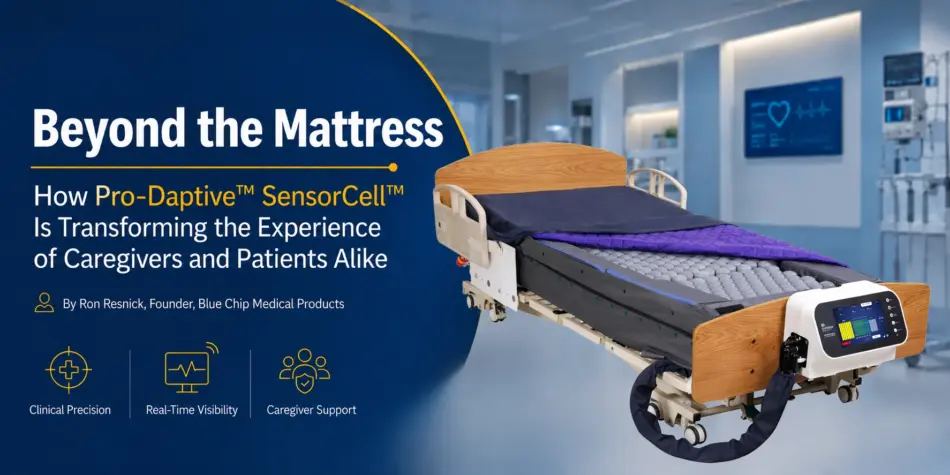
Beyond the Mattress: How Pro-Daptive™ SensorCell™ Is Transforming the Experience of Caregivers and Patients Alike
The ProDaptive SensorCell mattress provides ultimate pain relief for seniors, while making repositioning safer and easier for family caregivers.
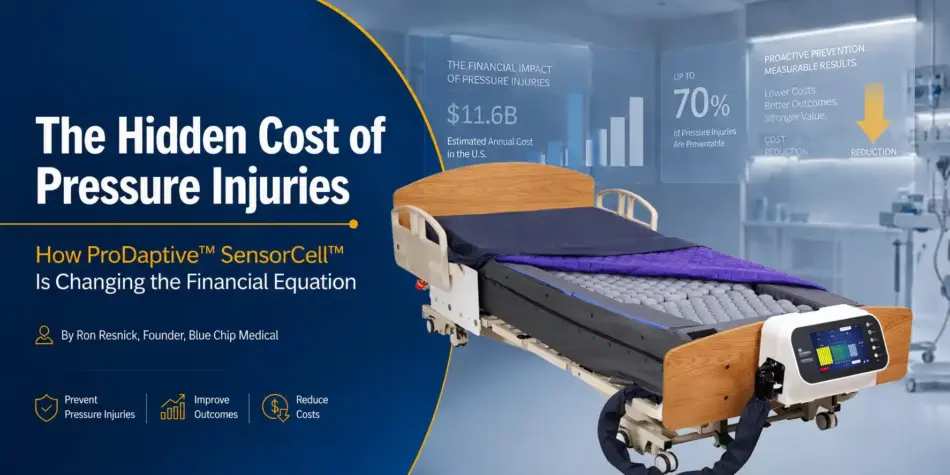
The Hidden Cost of Pressure Injuries, and How ProDaptive™ SensorCell™ Is Changing the Financial Equation
The Prodaptive SensorCell mattress helps seniors stay independent and pain-free at home, while avoiding costly hospital stays.

Supporting K9 Heroes With Custom Transport Pads Built for Safety and Fit
Blue Chip Medical donates custom, medical-grade transport pads to keep service dogs comfortable, safe, and supported on duty.