



 MENU
MENU
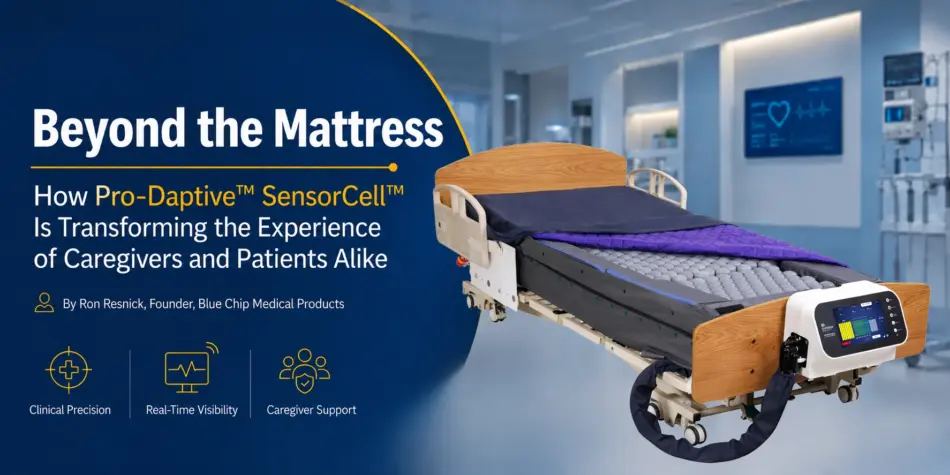
Beyond the Mattress: How Pro-Daptive™ SensorCell™ Is Transforming the Experience of Caregivers and Patients Alike
By Ron Resnick, Founder, Blue Chip Medical
When people ask me what Pro-Daptive™ SensorCell™ is, the simplest answer, Pro-Daptive™ is the future of advanced pressure injury treatment. But that description, while accurate, doesn’t capture what I find most meaningful about this technology.
What moves me is not just what Pro-Daptive™ SensorCell™ does to a wound. It’s what it does for a patient and their care team: the nurse who has been repositioning patients every two hours for an entire shift, the wound care specialist searching for a way to protect tissue that has already been through too much, and the patient lying there hoping that today will be a little better than yesterday.
Wound care for advanced pressure injuries has always been about outcomes. But outcomes are created by people. And any technology that doesn’t account for the full human experience of care is only telling half the story.
What Clinicians Have Always Needed
Wound care specialists are trained to make precise, individualized clinical decisions. The frustration many of them have lived with for years is that the support surfaces available to them have not matched that precision. Traditional alternating pressure systems offer broad therapeutic settings, typically calibrated by patient weight, and that’s largely where the customization ends. Air Fluidized Therapy goes further in terms of immersion, but it is preset, difficult to adjust, and provides no mechanism for targeting specific anatomical areas with different pressure profiles.
In practice, this means clinicians have often been making highly individualized clinical judgments and then placing patients on surfaces that treat everyone more or less the same.
Pro-Daptive™ SensorCell™ changes that relationship entirely. For the first time, a clinician can look at a patient, assess the specific location and nature of a wound, and then configure the support surface to match that assessment with genuine precision. Cavity Creation allows for complete offloading of an existing wound at the coccyx, sacrum, or buttocks. Heel Float enables full suspension of the heel for advanced heel wound treatment. Custom Immersion allows the surface to be tuned to the individual patient’s anatomy and clinical condition, not just their weight.
This is what clinical decision-making is supposed to look like. The tool should rise to meet the clinician’s expertise, not constrain it.
Real-Time Visibility That Changes the Standard of Care
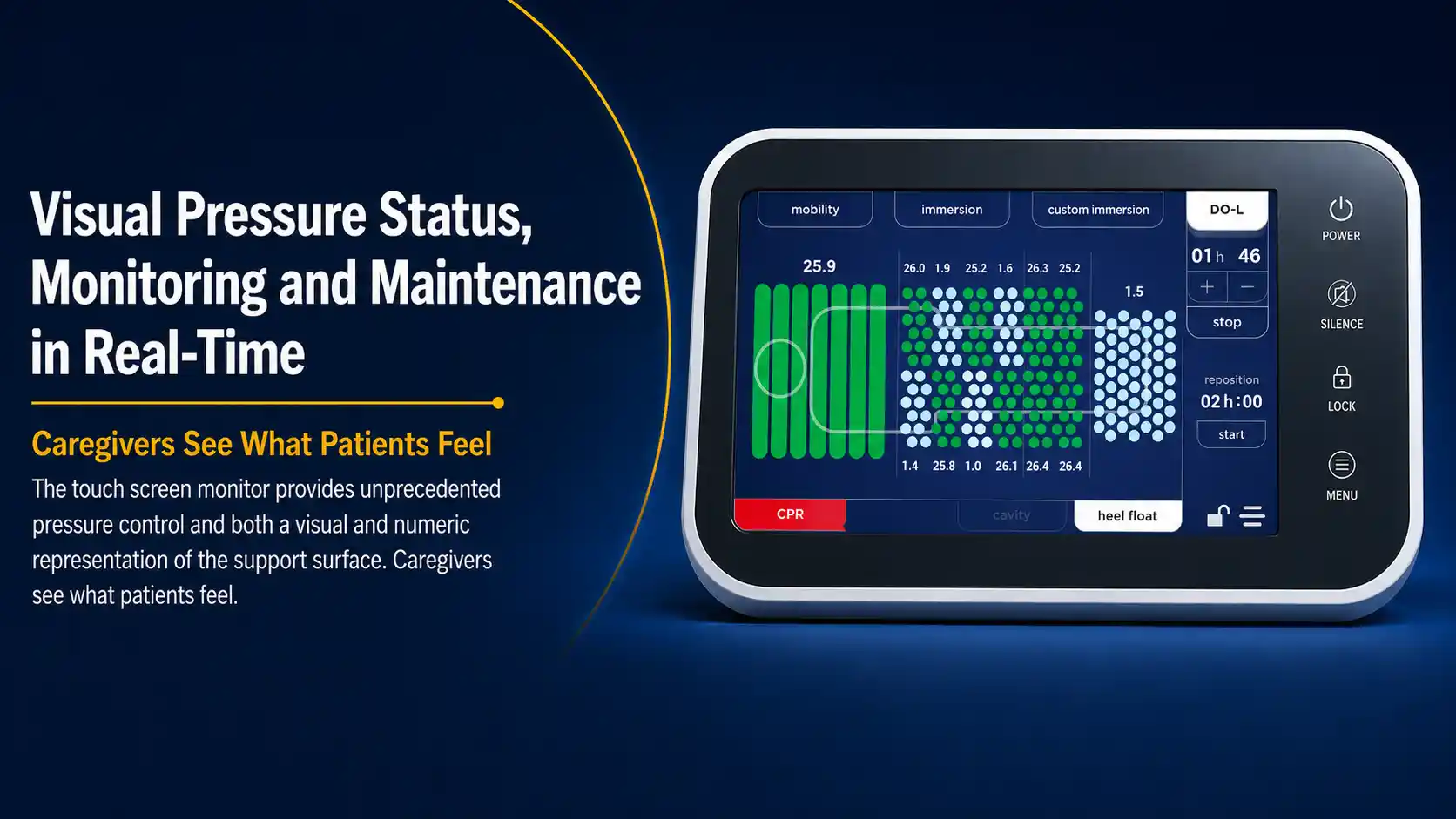
One of the most significant shifts Pro-Daptive™ SensorCell™ brings to clinical practice is visibility. The touchscreen monitor provides both a visual and numeric representation of the support surface in real time. For the first time, caregivers can see what the patient feels.
That may sound simple. In practice, it is revolutionary.
Until now, the therapeutic relationship between a patient and their support surface has been largely invisible. Clinicians have had to infer what was happening reactively based on clinical signs, wound progression, and educated judgment. Pro-Daptive’s real-time pressure display gives clinicians the tools to be proactive. If a patient shifts position, caregivers can see the change in pressure distribution and respond immediately. If a targeted area is not achieving the desired offloading, it can be adjusted on the spot.
This kind of real-time feedback loop doesn’t just improve individual decisions. Over time, it builds a deeper clinical understanding of how individual patients respond to surface therapy, and that knowledge improves care for every patient who follows.
Six Therapeutic Modes, One Patient at a Time
Pro-Daptive™ SensorCell™ offers six distinct therapeutic modes: Immersion, Custom Immersion, Mobility, Heel Float, Dynamic Offloading, and Cavity Creation. For clinicians and nursing staff, this breadth of options means that the surface can evolve with the patient’s condition rather than remaining static while the patient changes around it.
A patient admitted with a Stage IV sacral wound may begin in Cavity Creation mode to completely offload the wound site. As the wound progresses through the healing continuum, the therapeutic approach can be adjusted accordingly. When the care team needs to reposition the patient, Mobility Mode firms the surface to reduce physical effort. When the patient is resting, the surface returns to the mode best suited to the current clinical priority.
This adaptability is not a convenience feature. It is a core clinical advantage that traditional surfaces simply cannot offer.
The Impact on Nursing Staff
Pressure injury care is physically demanding work. Repositioning a patient in a hospital bed, particularly a heavier patient or one with fragile skin, requires significant effort and carries real injury risk for caregivers. In many facilities, turning and repositioning schedules are among the most labor-intensive components of wound care nursing.
Pro-Daptive’s Mobility Mode addresses this directly. By creating a firm support surface at 75 mmHg on demand, it reduces the physical effort required to reposition patients by more than 30%. That is not a marginal improvement. Across a full nursing shift, across a full unit, and across a full year, that reduction translates into less physical strain, fewer caregiver injuries, and more sustainable workflows.
The system also reduces the need for positioning wedges and pillows to maintain patient placement. After repositioning, the SensorCells’ envelopment cradles and stabilizes the patient comfortably in the new position, providing support that wedges and pillows approximate but rarely achieve consistently.
For nursing staff who spend a significant portion of every shift managing patient positioning, these improvements are not small quality-of-life upgrades. They are meaningful changes to the physical demands and complexity of the job.
The Shear Problem, Finally Addressed
Shear is one of the most destructive forces in pressure injury development, and one of the most difficult to manage with traditional support surfaces. When the head of a bed is elevated, patients tend to slide downward while their skin remains relatively stationary against the surface. The resulting tissue distortion beneath the skin damages capillaries, disrupts blood flow, and accelerates skin breakdown, often in ways that aren’t visible until significant damage has already occurred.
Pro-Daptive’s Automatic 2-Stage Fowler Function addresses this problem directly. As the head of the bed is elevated, the mattress intelligently adapts to the patient’s body movement, maintaining alignment and reducing the downward sliding that generates shear forces. At high-risk areas like the sacrum and coccyx, this controlled, responsive support actively protects tissue during repositioning and during extended periods of bed elevation.
For clinicians who understand how much damage shear causes, and how difficult it has been to address it effectively with conventional surfaces, this capability represents a meaningful clinical advance.
What This Means for Patients
Everything described above converges on one outcome: a better experience and better results for the patient.
Pressure injuries at Stage III, Stage IV, and beyond are serious, painful, and profoundly disruptive to quality of life. Patients with advanced wounds often spend extended periods in care settings, face painful dressing changes and procedures, and carry the physical and emotional weight of a condition that can feel like it is progressing faster than it is healing.
Pro-Daptive™ SensorCell™ creates a healing environment that is genuinely responsive to the individual patient. The surface adjusts to their anatomy, responds to their position, and maintains the pressure conditions that support tissue recovery. The unique Low Air Loss therapy is adjustable. This allows care givers to customize a microclimate based on patient need. Built into the Vyvex-III cover, the Low Air Loss therapy continuously manages the microclimate at the mattress surface, keeping the skin cool and dry and protected from the moisture that accelerates breakdown.
Patients also experience greater comfort during repositioning, greater surface stability between repositioning events, and the benefit of a care team that has better tools, better visibility, and less physical burden to contend with during every interaction.
Better tools don’t just improve outcomes in the abstract. They give clinicians and nurses more capacity to focus on the patient in front of them, and patients feel that difference.
A New Standard for What Support Surfaces Should Do
When I reflect on what Pro-Daptive™ SensorCell™ represents, I keep coming back to a straightforward idea: support surfaces should be customizable to the patient’s need and support the full continuum of care.
They should give clinicians the precision their training demands. They should reduce the physical burden on nursing staff so that energy can go where it matters most. They should respond to each patient as an individual, not as a demographic. And they should make the invisible visible, so that every member of the care team can see what is happening and respond with confidence.
That is the standard we built Pro-Daptive™ SensorCell™ to meet. And based on what we are hearing from clinicians, nurses, and patients, it is a standard that is long overdue.
QUESTIONS?
SPEAK WITH A PRESSURE INJURY SUPPORT SURFACE EXPERT
To learn whether Pro-Daptive™ is the right fit for your care environment, contact Blue Chip Medical at
1 (800) 795-6115.
For more information please visit: Pro-Daptive™ SensorCell™


Ron Resnick is the founder of Blue Chip Medical and has spent decades developing innovative solutions for advanced wound care and pressure injury management. To learn more about Pro-Daptive™ SensorCell™ or to speak with a clinical specialist, visit the Pro-Daptive product page.
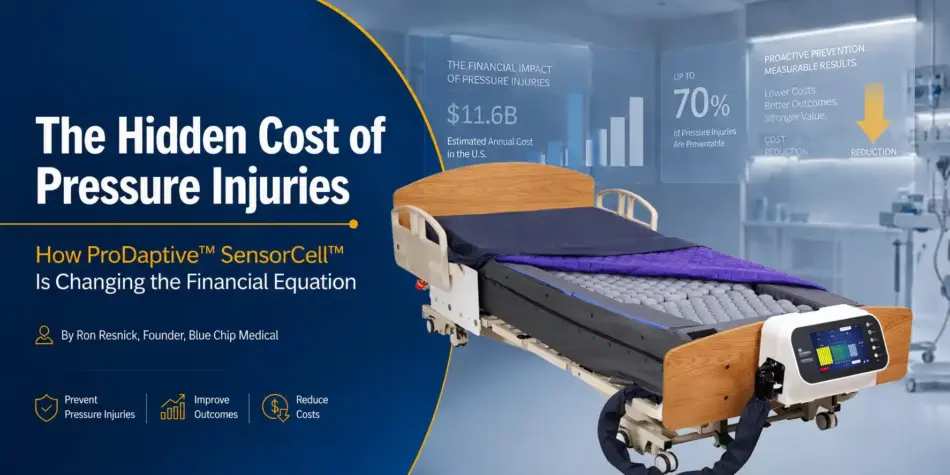
The Hidden Cost of Pressure Injuries, and How ProDaptive™ SensorCell™ Is Changing the Financial Equation
By Ron Resnick, Founder, Blue Chip Medical
In my decades in the wound care industry, I’ve seen hospitals and long-term care facilities grapple with a problem that never seems to get smaller: the staggering financial burden of pressure injuries. We talk a great deal about the human toll, and rightly so. But the economic reality of advanced pressure injuries is one that every administrator, CFO, and clinical director needs to fully understand, because it is quietly draining resources at a scale that most institutions have simply come to accept as unavoidable.
It doesn’t have to be.
The True Cost of Pressure Injuries
The numbers are sobering. The Agency for Healthcare Research and Quality (AHRQ) estimates that hospital-acquired pressure injuries (HAPIs) add more than $26 billion annually to U.S. healthcare costs. Individual Stage III or Stage IV pressure injuries can cost anywhere from $20,000 to over $150,000 per patient to treat, figures that climb further when you factor in extended lengths of stay, additional nursing hours, specialist consultations, surgical interventions like flap and graft procedures, and the very real threat of litigation.
And since 2008, the Centers for Medicare & Medicaid Services (CMS) no longer reimburses hospitals for costs associated with hospital-acquired Stage III, Stage IV, or unstageable pressure injuries. That policy didn’t just shine a light on a clinical problem; it turned pressure injury prevention and treatment into a direct financial liability.
For long-term care facilities, the calculus is equally punishing. Residents with advanced wounds require significantly more nursing time, more frequent dressing changes, and in many cases, transfer to higher levels of care, all of which erode margins and strain already-stretched staff.
Why Traditional Support Surfaces Fall Short, Financially and Clinically
For years, the clinical standard of care for the most advanced pressure injuries, specifically Stage III, Stage IV, and unstageable wounds, has been Group III Air Fluidized Therapy, the so-called “sand bed.” And while AFT does provide excellent immersion, it comes with a price tag that is difficult to justify at scale.
Air Fluidized Therapy systems are expensive to acquire, expensive to maintain, and labor-intensive to operate. Their size and weight make them impractical for home care settings, which forces patients who could otherwise be managed at home into higher-cost facility-based care. Patient repositioning is difficult, increasing caregiver workload and injury risk. The continuous warm air flow can cause patient dehydration, adding clinical complexity and monitoring costs. And because their therapeutic settings are largely preset, they cannot be customized to the specific and highly variable pressure needs of individual patients.
Group II Alternating Pressure systems, while far more common, have their own ceiling. They can improve immersion and envelopment, but they lack the ability to truly target pressure, create custom offloading cavities, or respond dynamically to changes in patient anatomy and position. The result is a system that provides some benefit but consistently leaves both outcomes and dollars on the table.
A New Financial Model Built Around Precision
When we developed Pro-Daptive™ SensorCell™ in collaboration with leading wound care specialists, we weren’t just engineering a better mattress. We were engineering a better outcome and a better economic model for the institutions that rely on advanced wound care every single day.
Here’s where the financial opportunity becomes concrete:
Shorter Length of Stay. I first saw SensorCell™ technology in its early prototype stage and immediately recognized its potential to improve outcomes for patients while creating a stronger economic model for
institutions that depend on advanced wound care every day. LeviSense Medical™ drove the
engineering and development of the technology, while Blue Chip Medical helped shape and develop the product around the real-world needs of the market and caregivers. Together, that collaboration led to the fully developed Pro-Daptive™ SensorCell™ Flotation Surface with Enhanced Isolated AirFlow™. Today, the product is commercially available and demonstrating the potential we recognized from the beginning.
Reduced Labor Costs. Pro-Daptive’s Mobility Mode creates a firm surface at 75 mmHg, reducing the physical effort required to reposition patients by more than 30%. Across a busy unit or a long-term care floor, that reduction in repositioning effort adds up to meaningful labor savings and a reduced risk of caregiver injury.
Reduced Reliance on Wedges and Pillows. The system’s exceptional envelopment and customizable surface reduce the need for positioning wedges and pillows, lowering supply costs and simplifying care protocols.
A Cost-Effective Alternative to AFT Systems. For facilities that have been renting or purchasing Group III Air Fluidized Therapy systems for their most complex patients, Pro-Daptive™ SensorCell™ presents a compelling and cost-effective alternative. It delivers comparable immersion and pressure redistribution at a lower acquisition cost, requires significantly less maintenance, and reduces the labor burden associated with managing AFT systems day to day.
AFT also carries clinical drawbacks that compound its financial disadvantages. The constant flow of warm, fluidized air in AFT systems can accelerate patient dehydration, a complication that adds monitoring burden, increases fluid replacement costs, and can complicate the clinical picture for already-fragile patients. Patient repositioning on AFT surfaces is notoriously difficult, increasing caregiver effort and injury risk with every turn. And patients frequently report discomfort on AFT surfaces due to surface instability and heat. Pro-Daptive™ SensorCell™ addresses all of these issues directly. Its adjustable Low Air Loss system actively manages the skin’s microclimate without the aggressive drying effect of AFT, keeping patients comfortable and properly hydrated while still protecting against the excess moisture that leads to maceration and breakdown.
Home Care Transition. AFT systems are largely impractical for home care use due to their size, weight, and operational complexity, leaving many patients with advanced wounds tethered to facility-based care longer than clinically necessary. Pro-Daptive™ SensorCell™ is fully available for home care settings, opening a clear pathway to transition appropriate patients out of facilities sooner. That transition represents a significant cost reduction for healthcare systems managing post-acute populations, and a meaningful improvement in quality of life for the patients themselves.
Litigation Risk Reduction. Pressure injury-related lawsuits remain one of the most common sources of malpractice claims in long-term care. Demonstrating that a facility is using the most advanced, clinically validated pressure management technology available is not just good medicine. It’s sound risk management.
Customization That Closes the Gap Between Standard and Optimal
One of the most underappreciated cost drivers in pressure injury care is the gap between standard treatment and what each individual patient actually needs. Traditional mattress systems, whether alternating pressure or air fluidized, apply broadly similar therapy to every patient, often calibrated only by weight. But as any experienced wound care clinician will tell you, two patients of identical weight can have dramatically different interface pressure profiles, skin tolerance, and wound characteristics.
Pro-Daptive™ SensorCell™ closes that gap. With hundreds of independently adjusting SensorCells™, with more than 20 in the area of a single traditional air bladder, the system adapts at a localized level to each patient’s unique anatomy and clinical condition. Caregivers can target pressure precisely, create custom cavities for complete offloading of specific wounds, and monitor pressure status in real time through the touchscreen interface.
This level of precision doesn’t just improve outcomes. It prevents the downstream costs that result from treatment that is close but not quite right: the wound that stalls, the patient who develops a new injury while a prior one is healing, the extended stay that could have been avoided.
The Bottom Line
At Blue Chip Medical, we built Pro-Daptive™ SensorCell™ because we believed that the most advanced pressure injury patients deserved a surface as dynamic and individual as they are. But we also built it because we know that healthcare institutions cannot sustain the financial burden of a problem that precision technology can meaningfully reduce.
Better outcomes and lower costs are not competing goals. With Pro-Daptive™ SensorCell™, they are the same goal, and they are finally achievable together.
QUESTIONS?
SPEAK WITH A PRESSURE INJURY SUPPORT SURFACE EXPERT
To learn whether Pro-Daptive™ is the right fit for your care environment, contact Blue Chip Medical at
1 (800) 795-6115.
For more information please visit: Pro-Daptive™ SensorCell™
Ron Resnick is the founder of Blue Chip Medical and has spent decades developing innovative solutions for advanced wound care and pressure injury management. To learn more about Pro-Daptive™ SensorCell™ or to speak with a clinical specialist, visit the Pro-Daptive product page.
Supporting K9 Heroes With Custom Transport Pads Built for Safety and Fit
Custom Pads for Police K9 Transport
Police K9 officers serve alongside law enforcement in demanding and often dangerous conditions. At Blue Chip Medical Products, we are proud to support their wellbeing by providing custom K9 transport pads at no cost for police K9 transport crates.
This effort reflects more than support for K9 teams. It also demonstrates Blue Chip Medical’s ability to design custom support solutions for specialized environments. Each K9 pad is built to fit the existing crate or cruiser, showing how Blue Chip can adapt foam and support surface design to meet unique sizing, safety, and performance requirements.
Custom Designed for Real-World Use
Police K9s spend significant time in transport vehicles moving between calls, training, and duty assignments. That makes proper fit and support important.
Blue Chip’s K9 Hero pads are not off-the-shelf products. They are customized for the specific transport space and built with the same focus on support, durability, and function that defines our broader product line.
- Medical grade foam
- A heavy duty vinyl cover
- A 2-inch raised bolster
- Fire-retardant materials
- Custom sizing for existing crates or cruisers
The result is a support surface designed to improve comfort, resilience, and stability during transport.
A Practical Example of Custom Manufacturing Capability
This initiative highlights Blue Chip Medical’s ability to develop custom foam solutions for specialized applications. When a standard product is not the right fit, Blue Chip can create tailored surfaces that match the physical and performance needs of the environment.
In this case, that means helping law enforcement agencies better support the dogs that serve beside them every day.
Honoring the Dogs Who Serve
These K9 officers work with loyalty, discipline, and courage. Providing custom transport pads is one practical way to give back and help protect their comfort while on duty and in transit.
We thank the officers, handlers, and K9 teams for their service, and we are honored to support them.

Ron Resnick is the founder of Blue Chip Medical and has spent decades developing innovative solutions for advanced wound care and pressure injury management. To learn more about Pro-Daptive™ SensorCell™ or to speak with a clinical specialist, visit the Pro-Daptive product page.
Unlocking Superior Pressure Injury Prevention: A Technical Deep Dive into Blue Chip Medical’s Advanced Foam Technologies
By Jeff Adise
Jump to Section
- Clinician Summary
- Why Foam Matters
- Why Foam Layers Matter
- When Foam Is Appropriate
- Prevent II Series Overview
- Blue Chip Foam Innovations
- Comparative Performance Table
- Clinical Impact and Customization
Clinician Summary
- Pressure injuries remain a high-cost, high-risk clinical challenge requiring proactive prevention strategies.
- Effective foam support surfaces must deliver immersion, envelopment, and consistent pressure redistribution.
- Layered foam construction provides superior performance compared to single-block foam designs.
- Foam mattresses are appropriate for low to moderate risk patients and early-stage pressure injuries.
- Advanced technologies such as SCT™, PPF™, and zoned foam designs improve durability and clinical outcomes.
- Blue Chip’s Prevent II series is engineered for adaptive response, improved mobility, and reduced microclimate risk.
As a pressure injury prevention specialist with nearly three decades in therapeutic support surfaces, I’ve seen firsthand how the right mattress can transform patient outcomes. Blue Chip Medical Products engineers foam mattress systems with clinically proven materials designed to prioritize pressure redistribution, durability, and patient comfort.
Why Foam Matters: The Science of Pressure Redistribution
Effective therapeutic foam must achieve three key mechanical objectives:
- Immersion, allows the patient to sink into the surface and increase contact area
- Envelopment, conforms around bony prominences to reduce peak pressure
- Pressure redistribution, spreads load to maintain interface pressures below 32 mmHg
There are multiple foam types used in medical mattresses, including high resiliency foam, visco-elastic memory foam, open cell foam, and gel-infused foams. Each varies in performance characteristics.
- ILD, defines surface firmness and response under load
- Density, determines durability and long-term performance
ILD reflects how the mattress feels today. Density reflects how it performs over time.
Why Foam Layers Matter: The Science of Comfort and Support
Unlike basic single-block foam mattresses, therapeutic systems are engineered as layered mechanical structures.
Layer Roles
- Comfort Layer
- Conforms to body geometry
- Reduces peak pressure
- Transition Layer
- Improves load distribution
- Enhances resiliency
- Support Core
- Maintains alignment
- Prevents bottoming out
Advanced designs incorporate Surface Cut Topography (SCT™), using geometric patterns to enhance pressure redistribution and reduce shear forces.
When Foam Is Appropriate
For Prevention
Foam mattresses are appropriate for patients at low to moderate risk of pressure injury development.
For Treatment
Foam may be used for:
- Stage I pressure injuries
- Early Stage II pressure injuries
Clinical Considerations
- Patient mobility
- Skin condition
- Moisture and microclimate
- Comorbidities
- Caregiver support
Prevent II Series: Adaptive Foam Performance
The Prevent II series is engineered around Prevention by Suspension™, maintaining consistent low-pressure support through dynamic response to patient movement and weight distribution.
- Reduces heat and moisture buildup
- Supports easier repositioning
- Maintains consistent pressure redistribution
Blue Chip Foam Innovations: Technical Breakdown
Med-Flex™ PPF™
Pressurized polymer foaming produces uniform cell structure, reducing sag and improving durability.
Reflect™ SCT™
Engineered cut patterns create zoned pressure redistribution without multi-layer bonding.
Sphere™ and Multi-Flex™
Self-adjusting foam zones enhance circulation and airflow.
Heel Wrap™
Provides targeted heel offloading while maintaining structural integrity.
Comparative Performance: Foam Technologies
| Foam Technology | Key Mechanism | Pressure Redistribution | Durability | Application |
|---|---|---|---|---|
| Med-Flex™ PPF™ | Pressurized cell structure | Uniform load distribution | High | Base layers, bariatric |
| Reflect™ SCT™ | Surface cut zoning | Targeted pressure relief | High | Advanced foam systems |
| Sphere™ / Multi-Flex™ | Dynamic compression zones | Adaptive redistribution | High resiliency | Top layers |
| Heel Wrap™ | Heel-specific offloading | Localized pressure relief | Moderate | Heel protection |
Clinical Impact and Customization
Facilities utilizing advanced foam systems report reduced incidence of advanced-stage pressure injuries and improved patient comfort.
- Supports multiple patient populations including bariatric and geriatric
- Custom configurations available
- Designed for acute care, long-term care, and home settings
Investing in high-quality foam support surfaces reduces long-term costs associated with advanced pressure injuries and extended care.
Conclusion
Pressure injury prevention requires clinically effective support surfaces. Advanced foam technologies provide a cost-effective and scalable solution for appropriate patient populations. Blue Chip Medical delivers engineered systems designed for real-world clinical performance.

Authored by: Jeff Adise
Jeff has dedicated over 30 years to advancing wound care solutions. He is a product specialist and developer of therapeutic support surfaces for the prevention and treatment of Stage I–IV pressure injuries in hospital beds, home recliners, lift chairs, wheelchairs, and more.
Blue Chip Medical Products Celebrates 30 Years of Advancing Patient Care Through Innovation and Quality
30-year milestone highlights clinically driven innovation and introduces ProDaptive™ SensorCell™, a breakthrough in pressure injury care
SUFFERN, NY, UNITED STATES, March 27, 2026, Blue Chip Medical Products, a leading manufacturer and distributor of advanced medical support surfaces and pressure injury prevention solutions, proudly celebrates its 30th anniversary, marking three decades of delivering clinically effective, cost-conscious solutions that improve patient outcomes and quality of life.
Pressure injuries affect more than 2.5 million patients annually in the United States, according to the Agency for Healthcare Research and Quality, underscoring the ongoing need for effective prevention and treatment strategies across the healthcare continuum.
Founded in 1996 and headquartered in Suffern, New York, Blue Chip Medical Products has established itself as a leader in the healthcare continuum. Serving hospitals, long-term care facilities, Veterans Affairs (VA) systems, and home care environments, the company sets the standard for clinical performance, innovation, and quality of care. Blue Chip remains committed to delivering high-quality, clinically effective solutions that support both caregivers and patients.
30 Years of Clinically Driven Innovation
Over the past three decades, Blue Chip has developed a comprehensive portfolio of support surface and patient care solutions designed to prevent and treat pressure injuries while promoting comfort, safety, and clinical efficiency. These include:
- Alternating pressure and low air loss mattress systems
- Pressure redistribution foam mattresses and therapeutic overlays
- Wheelchair seating and positioning solutions
- Hospital support surfaces for ER, OR, and imaging environments
- Safe patient handling products
- Custom solutions for adult, pediatric, geriatric, and bariatric patients, including capacities exceeding 1,000 lbs
Operating from its 60,000+ square-foot, state-of-the-art headquarters and manufacturing facility in Suffern, New York, Blue Chip combines deep industry expertise with hands-on operational excellence. Its multidisciplinary team spans product development, manufacturing, clinical application, and commercial strategy, ensuring every solution is grounded in real-world healthcare needs.
Leadership Perspective
Under the leadership of Ron Resnick, Founder and President, the company has maintained a consistent focus on clinical performance and value.
“Celebrating 30 years is more than a milestone. It reflects our unwavering commitment to improving patient care,” said Resnick. “From day one, our focus has been to deliver ‘Blue Chip Quality’ products that are both clinically effective and cost-conscious, while supporting the healthcare professionals, and their patients, who rely on us every day.”
Introducing ProDaptive™ SensorCell™: A New Paradigm in Pressure Injury Care
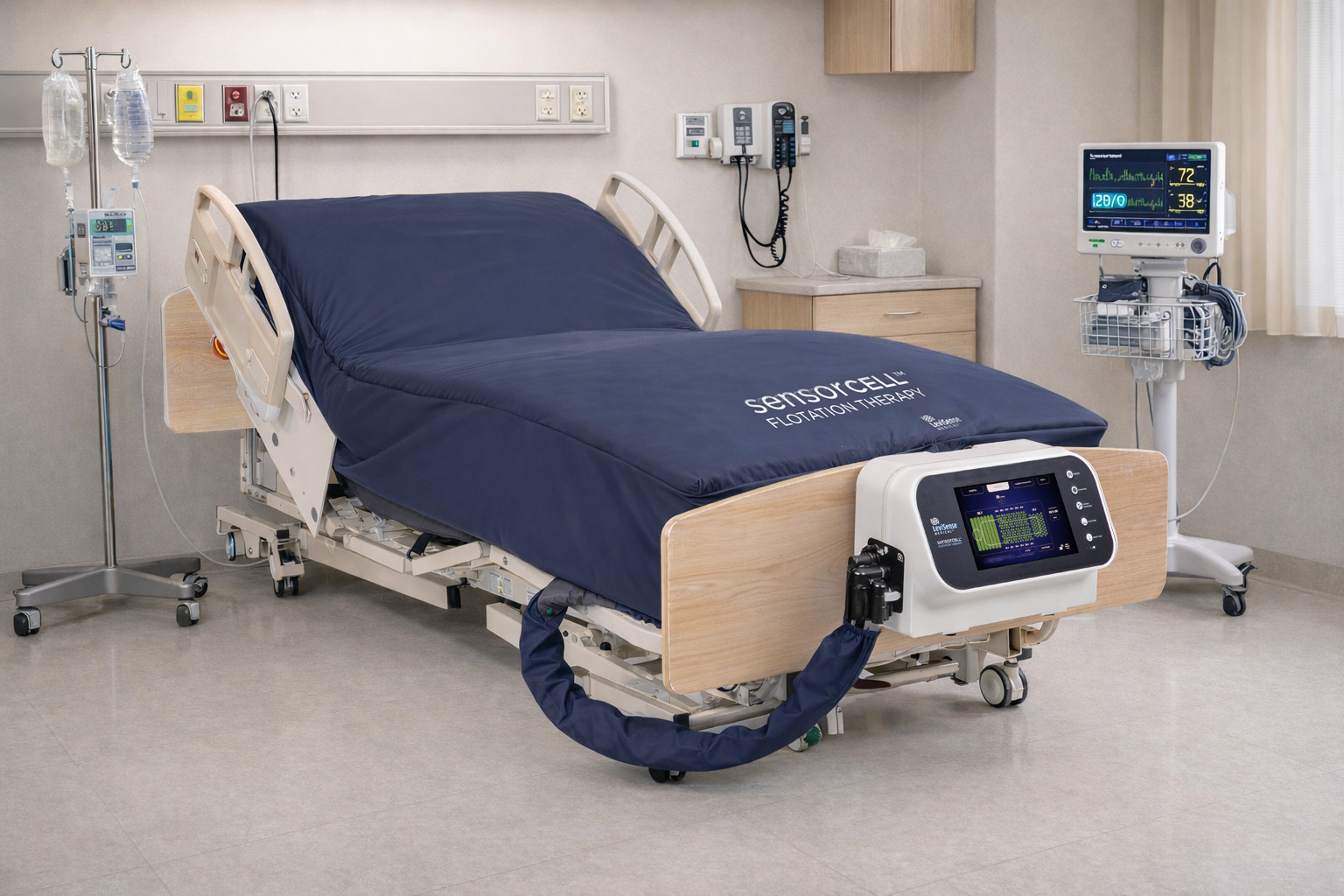
As part of its 30-year milestone, Blue Chip Medical Products is introducing its most advanced innovation to date: ProDaptive™ SensorCell™.
Developed in collaboration with LeviSense Medical, this first-of-its-kind support surface represents a significant breakthrough in advanced pressure injury prevention and treatment, shifting from passive pressure redistribution to responsive, intelligent surface design.
ProDaptive™ SensorCell™ is engineered to:
- Address the complex needs of patients with advanced pressure injuries (Stage II–IV and unstageable)
- Enhance clinical decision-making through responsive surface technology
- Improve patient outcomes while reducing caregiver burden
- Deliver meaningful impact for high-risk populations, including veterans and long-term care patients
“As we celebrate 30 years, we are not just reflecting on our history, we are helping define the future of pressure injury care,” added Resnick.
Expanding Reach Across the Healthcare Continuum
Blue Chip Medical Products manufactures and distributes its full line of solutions through an extensive network of dealers, providers, and partners across the United States, Canada, and international markets, bringing trusted, clinically driven technologies to patients around the world.
Mission-Driven, Patient-Focused
At the core of Blue Chip’s continued success is its mission: to deliver high-quality medical products that improve patient outcomes while providing personalized support and custom solutions to healthcare providers.
As the healthcare landscape evolves, the company remains focused on advancing technologies that:
- Improve patient comfort
- Enhance safety
- Reduce the risk of pressure injuries
- Support more effective treatment of existing wounds
This commitment positions Blue Chip Medical Products not only as a manufacturer but as a leader in the future of support surface innovation.
Media Contact
Blue Chip Medical Products, Inc.
(800) 795-6115
www.bluechipmedical.com
What Is Alternating Pressure Therapy?
Filed under: Bariatric, Blue Chip Blog, Blue Chip Blog
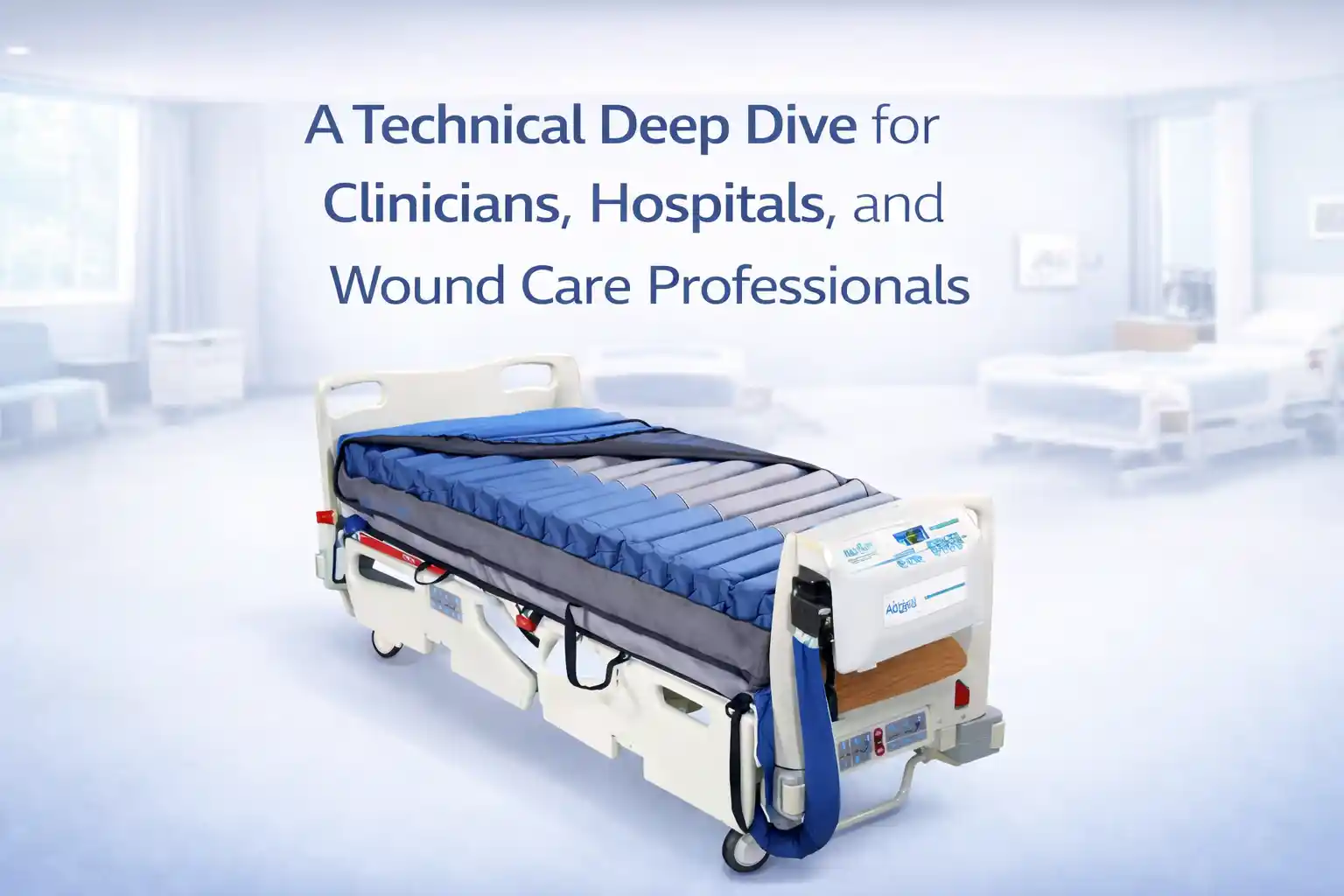
A Technical Deep Dive for Clinicians, Hospitals, and Wound Care Professionals
By Jeff Adise
Clinician Summary
Alternating Pressure Therapy (APT) is an active support surface modality designed to reduce sustained interface pressure, improve microcirculatory perfusion, and mitigate tissue deformation in patients at risk for or experiencing pressure injuries. Unlike static foam surfaces, alternating pressure systems cyclically redistribute load through timed air cell inflation and deflation patterns. When properly indicated and configured, these systems support compliance with evidence-based pressure injury prevention protocols, particularly for high-risk populations including immobile, bariatric, diabetic, neurologically impaired, and critically ill patients.
This article clarifies:
- The biomechanical principles underlying alternating pressure therapy
- How APT differs from static pressure redistribution
- Indications and contraindications in acute, long-term, and home care settings
- Common misconceptions in non-clinical sources
- How alternating pressure aligns with standards of care
- Design features that influence therapeutic performance
Article Navigation
- The Pathophysiology of Pressure Injury
- Static Pressure Redistribution vs. Alternating Pressure
- The Biomechanics of Alternating Pressure Therapy
- Capillary Closing Pressure and Tissue Perfusion
- Alternating Pressure Indications Across Clinical Settings
- Diabetic and High-Risk Populations
- Common Misconceptions in Online Content
- Features & Settings That Affect Clinical Outcomes
- Alignment With Evidence-Based Standards
- Implementation Considerations for Facilities
1. The Pathophysiology of Pressure Injury
Pressure injuries are often not caused by pressure alone. Sustained interface pressures that exceed capillary closing pressure and tissue tolerance lead to:
- Capillary occlusion (a mechanical event that blocks or severely reduces blood flow)
- Ischemia (the physiologic consequence of reduced or absent blood flow)
- Impaired oxygen and nutrient delivery (tissue hypoxia)
- Lymphatic obstruction
- Cellular deformation
Co-occurring factors include heat, moisture, shearing, friction and patient position. The addition of each co-occurring factor exacerbates the effects of sustained mechanical loading thereby increasing the risk of developing a wound. This distinction is clinically significant when selecting support surfaces.
The National Pressure Injury Advisory Panel (NPIAP) defines pressure injuries as localized damage to the skin and/or underlying soft tissue usually over a bony prominence or related to a medical device (NPIAP, Prevention and Treatment of Pressure Ulcers/Injuries Clinical Practice Guideline).
2. Static Pressure Redistribution vs. Alternating Pressure
Static pressure redistribution surfaces e.g., foam or gel) function by increasing contact area to reduce peak interface pressures, immersion and envelopment. They are appropriate for:
- Low-to-moderate risk patients
- Patients capable of repositioning
- Situations with consistent manual turning schedules
Alternating Pressure Therapy, by contrast, is dynamic. It functions via cycles of inflation and deflation of air cells, redistributing pressure and promoting tissue reperfusion. Alternating Pressure Therapy is appropriate for:
- Patients with a moderate-to-high risk for developing a pressure injury
- Patients presenting with pressure injuries
- Limited mobility or the inability to reposition
This active modulation of air pressure within the support surface reduces the duration of sustained load at any single tissue site. Importantly, alternating pressure is a controlled mechanical sequence designed to interrupt ischemic time thresholds.
3. The Biomechanics of Alternating Pressure Therapy
Alternating pressure systems operate on programmable cycles—often ranging from 10 to 20 minutes—where adjacent air cells inflate while neighboring cells deflate.
This produces:
- Load transfer between tissue zones
- Reduced peak pressures over bony prominences
- Recurrent microcirculatory restoration
- Reactive hyperemia
From a biomechanical standpoint, this approach addresses two critical factors:
- Magnitude (mmHg) of pressure
- Duration of pressure
Tissue viability via pressure redistribution is a time-pressure relationship. Lower pressure for extended duration can be as harmful as high pressure for shorter intervals. Alternating pressure systems specifically target the time variable.
Advanced systems may incorporate:
- Fowler compensation to address coccyx and sacral loading when head-of-bed elevation increases shear
- Patient weight sensing to maintain optimal therapy, immersion and envelopment
- Pulsation modes for enhanced immersion therapy
- Enhanced or true low air loss for microclimate control
- Sealed vs ventilated low air loss air bladders
- Static mode with automatic fall back
- Specialized heel section to float heels
- Cavity creation
4. Capillary Closing Pressure and Tissue Perfusion
Capillary closing pressure (CCP) has historically been cited as approximately 32 mmHg. While modern research suggests tissue tolerance varies based on individual comorbidities, the principle remains: sustained pressure above perfusion thresholds compromises blood flow.
Alternating pressure systems are engineered to cyclically reduce interface pressures below perfusion-limiting levels, allowing reactive hyperemia.
The Agency for Healthcare Research and Quality (AHRQ) emphasizes pressure redistribution and repositioning as core prevention strategies (AHRQ, Preventing Pressure Ulcers in Hospitals Toolkit).
APT should not replace repositioning protocols, but it serves as a mechanical adjunct in patients who:
- Cannot be turned frequently
- Have limited tissue tolerance
- Exhibit existing Stage I–IV injuries
5. Alternating Pressure Indications Across Clinical Settings
Acute Care Hospitals
- Patients with advanced pressure injuries or diabetic wounds
- High-risk and limited mobility patients
- Patients with conditions that require a Fowler position
Long-Term and Skilled Nursing Facilities
- Residents with chronic immobility
- Patients with advanced pressure injuries
- High-risk and limited mobility patients
- Patients with conditions that require a Fowler position
- Neurologic disorders
- Cognitive impairment limiting repositioning compliance
Senior Living and Home Care
- Bedbound patients or those with the inability to reposition
- Patients with advanced pressure injuries
- High-risk patients without wounds
- Patients with conditions that require a Fowler position
- Post-surgical recovery with limited mobility
Appropriate system selection should consider:
- Patient weight and required bed width
- Location and stage of existing wounds
- Pressure injury risk potential
- Body shape and size
- Infection control requirements
- Patient transfer and care needs
- Access to caregivers
6. Diabetic and High-Risk Populations
Patients with diabetes represent a uniquely vulnerable group. Peripheral neuropathy reduces protective sensation, and microvascular disease impairs perfusion.
In my published article, Pressure Wounds in Diabetic Patients: Aligning Support Surfaces With Standards of Care (ClinicalGate), I wrote:
“Support surfaces are a critical—but frequently misunderstood—component of pressure wound prevention and treatment in this population.”
This is especially relevant in diabetic care. Neuropathy allows prolonged unrelieved pressure, while impaired inflammatory response slows healing. Alternating pressure systems introduce a structured offloading cycle that compensates for diminished physiologic resilience.
Source: ClinicalGate, Pressure Wounds in Diabetic Patients: Aligning Support Surfaces With Standards of Care, Jeff Adise.
For facilities managing diabetic populations, dynamic alternating pressure systems often become a clinical necessity rather than an upgrade.
7. Common Misconceptions in Online Content
A review of consumer-facing web content reveals recurring inaccuracies:
Myth 1: Alternating pressure eliminates the need for repositioning.
False. Clinical guidelines consistently reinforce manual repositioning as foundational.
Myth 2: All alternating pressure systems perform the same.
Incorrect. Engineering variables significantly impact clinical effectiveness.
Myth 3: Alternating pressure is only for Stage IV injuries.
In reality, it is frequently indicated for prevention in high-risk populations.
Myth 4: Higher air pressure equals better therapy.
Therapeutic efficacy depends on pressure redistribution, immersion, envelopment, controlled cycling and patient comfort—not simply inflation volume.
Clinicians must evaluate systems based on design characteristics and clinical evidence rather than marketing claims.
8. Features & Settings That Affect Clinical Outcomes
Not all alternating pressure mattress systems are equivalent. Key settings and features should be considered:
1. Cycle Time
- Shorter cycles increase offloading frequency but may affect patient comfort
- Longer cycles may improve patient comfort but reduce reactive hyperemia
2. Low Air Loss – Microclimate Management / Maceration Risk
- Low Air Loss provides some degree of microclimate management
- Enhanced or True Low Air Loss reduces maceration risk and improves microclimate management
3. Fowler Compensation
Head-of-bed elevation increases coccyx and sacral interface pressure and shear. Systems with Fowler functions adjust internal air pressures in the coccyx and sacral bladders during Fowler positioning.
- Automatic Fowler Functions – Helps prevent bottoming-out, sinking, sliding and shearing by detecting head-of-bed elevation and automatically adjusting the mattress
- Manual Fowler Functions – Must be engaged by the caregiver, limiting effective use
4. Weight Calibration
Internal air bladder pressure assures patient comfort, proper support and optimal therapy. Accuracy and consistency of these pressures is controlled by the air pump and the quality of its components.
- Under-inflation increases bottoming-out risk; over-inflation reduces immersion
- Proper inflation is determined by predetermined settings balancing therapeutic effectiveness, support and patient comfort
- Facilities should evaluate systems using both clinical feedback and pressure mapping when available
9. Alignment With Evidence-Based Standards
Alternating pressure therapy aligns with recommendations from:
- National Pressure Injury Advisory Panel (NPIAP)
- European Pressure Ulcer Advisory Panel (EPUAP)
- AHRQ pressure injury prevention toolkit
- Centers for Medicare & Medicaid Services (CMS) quality reporting frameworks
These organizations emphasize:
- Risk stratification
- Support surface selection based on risk level
- Ongoing reassessment
Dynamic surfaces are often recommended for patients at high or very high risk. APT is not experimental. It is a clinically established modality when used within a comprehensive prevention protocol.
10. Implementation Considerations for Facilities
For hospitals and senior living facilities, successful implementation requires:
- Staff education on system operation
- Clear criteria for patient eligibility
- Routine inspection
- Integration into wound care documentation workflows
- Infection control compliance
- Safety and entrapment compliance
Procurement decisions should consider:
- Lead times
- Domestic manufacturing and quality control
- Serviceability and replacement components
- Clinical support availability
Conclusion
Alternating Pressure Therapy is a biomechanical intervention designed to disrupt sustained ischemic loading, support microvascular perfusion, and reduce deep tissue deformation in vulnerable populations.
When properly selected and integrated into comprehensive wound care protocols, alternating pressure systems serve as a critical component of pressure injury prevention and management across acute, long-term, and home care settings.
As clinicians confront increasingly complex patient populations—including aging demographics, bariatric patients, and individuals with diabetes—the role of dynamic support surfaces continues to expand.
Understanding the science behind alternating pressure therapy allows facilities to move beyond marketing language and align product selection with evidence-based standards of care.
Authored by: Jeff Adise
Jeff has dedicated over 30 years to advancing wound care solutions. He is a product specialist and developer of therapeutic support surfaces for the prevention and treatment of Stage I–IV pressure injuries in hospital beds, home recliners, lift chairs, wheelchairs, and more.
The Difference Between a Lateral Rotation Mattress and an Alternating Pressure Mattress
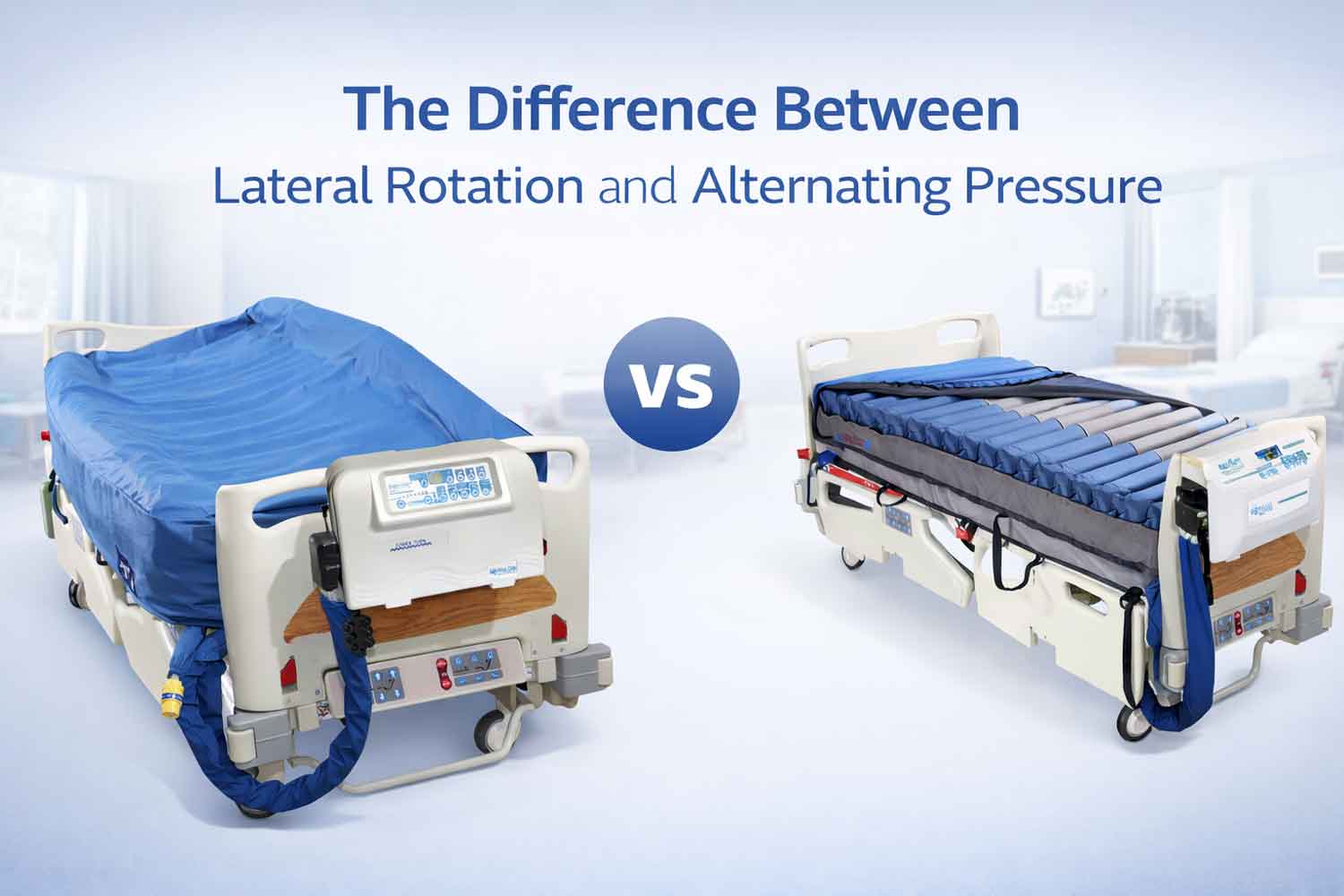
Clinical Summary
A lateral rotation mattress provides automated side-to-side turning (typically 25–40°) primarily to assist patients with respiratory compromise and pressure redistribution while in a flat position.
An alternating pressure mattress redistributes pressure by cyclic inflation and deflation of air cells and can be used in both flat and elevated (Fowler) positions.The appropriate therapy depends on respiratory status, wound location, mobility level, and bed positioning requirements.
What are the differences between therapies for the prevention and treatment of Pressure Sore Injuries?
Within wound care there are misconceptions between the therapies and when each is appropriate. One of the most common misconceptions is that Lateral Rotation is more advanced than alternating pressure at wound treatment. This is especially true when a patient is not responding to alternating pressure. To help understand the differences between mattress systems, below is an explanation of each and factors to consider when choosing a wound healing mattress for a patient.
Lateral Rotation Mattress vs Alternating Pressure Mattress
Both mattresses redistribute pressure for the prevention and treatment of Stages I – IV Pressure injuries (also historically referred to as pressure sores or decubitus ulcers). Lateral Rotation therapy rotates the patient to achieve pressure redistribution while in Alternating Pressure, the mattress bladders alternate underneath the patient. However, the primary therapeutic benefit differs.
Lateral Rotation vs Alternating Pressure — Clinical Comparison
| Feature | Lateral Rotation Mattress | Alternating Pressure Mattress |
|---|---|---|
| Primary Mechanism | Side-to-side rotation (25–40°) | Cyclic inflation/deflation of air cells |
| Best For | Respiratory compromise with wounds | Pressure injury prevention & treatment |
| Bed Position | Primarily flat | Flat or Fowler (up to 65°) |
| Risk Consideration | Shear & Fall risk when turned | Shear risk mitigated in advanced systems |
| Hip Wounds | May increase pressure if on rotation side | No side loading |
| Reactive Hyperemia | Minimal | Yes |
| Low Air Loss | Yes | Yes |
LATERAL ROTATION
The primary focus of lateral rotation is pulmonary therapy. Pressure redistribution for pressure injury treatment is a secondary benefit.
This is achieved by turning the patient side to side up to 40 degrees. The movement redistributes pressure to help prevent and treat stages I-IV pressure ulcers. However, a Lateral Rotation mattress is primarily utilized when specific pulmonary conditions exist. One of the most important considerations is the presence of significant respiratory issues such as Pneumonia and other pulmonary complications. If the conditions outlined below do not exist, an Alternating Pressure Mattress with Low Air Loss may be more appropriate. Additionally, if a patient has skin breakdown on the hips, one must be careful to take that into consideration.
What to consider when considering the use of a lateral rotation mattress system?
Deciding if a Lateral Rotation Mattress system is a more appropriate choice than an Alternating Pressure Mattress? Please consider the following factors:
- Does the Patient predominately lay flat?
- Does the Patient have or is highly prone to developing significant respiratory issues such as Pneumonia?
- The patient requires skin protection but does not have late stage skin breakdown on the hips
- The patient does not transfer independently
If the answer is YES to questions 1- 4, a Lateral Rotation Mattress System may an excellent therapy to prevent and treat pressure injuries. If the answer is NO, keep reading.
Lateral Rotation Mattresses are meant to be utilized in the predominately flat position.
If the head of the patient’s bed is raised, the use of a lateral rotation mattress may increase fall risk. One may be able to incline these mattress systems slightly however, the fall risk increases with each degree of incline. This is especially true when someone does not possess the core strength needed to keep themselves seated up-right. It is recommended to use rails to prevent any accidental falls. Lateral rotation mattress systems are designed to be used in the predominantly flat position! This precludes patients who raise the head of the bed or who must have their heads elevated.
Lateral Rotation Mattresses helps to move fluid in the lungs.
A Lateral rotation mattress rotates side to side in a timed sequence to help prevent pressure injuries. However, that same side to side movement helps move fluid in the lungs to reduce respiratory issues. If someone has both significant respiratory and skin breakdown concerns, a lateral rotation low air loss mattress system may be a more appropriate choice.
Lateral Rotation can put additional pressure on the hips.
If a patient presents with late stage or unstageable pressure sore injuries on the hips, turning the patient to the side with the injury can put additional pressure on the injury. To help alleviate this, the mattress can be set to only turn in the opposite direction of the injury, limiting therapy. The location of pressure injuries should be a consideration.
Note: Many lateral rotation mattress systems only rotate the patient up to 25 degrees. Choose a lateral rotation mattress system that can rotate from 30 up to 40 degrees. Blue Chip Medical’s Power Pro Elite™ is an excellent example of a true lateral rotation mattress system.
https://www.bluechipmedical.com/alternating-pressure-mattress-2/power-turn-air-mattress/
ALTERNATING PRESSURE MATTRESS SYSTEM
The primary focus of Alternating Pressure therapy is pressure redistribution for the prevention and treatment of pressure injuries.
An Alternating Pressure Mattress is constructed of a series of horizontal air bladders that cover the full width of the mattress whose internal pressures “alternate” in timed sequenced cycles. The internal air pressures of the bladders are controlled by an alternating pressure pump and set according to patient weight and comfort.
For simplicity, a Blue Chip Medical alternating pressure mattress has 18 air bladders. There are two sets of air bladders in a series. There is an odd series (bladders 1,3,5,7,9, etc) and an even series (2,4,6,8, 10, etc). While the odd series bladders are inflated and firm, the even series bladders are deflated and soft. In timed sequenced cycles the soft bladders inflate to become firm as the firm bladders become soft. Within that exchange from soft to firm, all bladders hold at the same pressure for one minute. This continually redistributes the pressure between the body and the mattress, to help prevent and treat pressure sores and diabetic wounds. Additionally, Alternating Pressure improves blood flow through a process called Reactive hyperemia (temporary increase in localized blood flow following pressure relief).
Alternating Pressure can be utilized in the flat or inclined position.
Alternating Pressure therapy can be utilized for a patient in the prone or Fowler positions up to 65º. Some advanced mattress systems such as Blue Chip’s Adapt Pro Elite™ provide an automatic Fowler adjustment to prevent sinking into the mattress and skin shearing injuries.
https://www.bluechipmedical.com/alternating-pressure-mattress-2/adapt-pro-elite/
Alternating Pressure with Low Air Loss should be considered for the prevention and treatment of stages I-IV pressure sore injuries when the following exists.
- The patient is receiving therapy when the head of the bed is inclined.
- The patient is tube fed
- The patient does NOT have or is prone to significant respiratory issues such as Pneumonia.
- The patient requires prevention and treatment of stages I-IV pressure injuries.
- The patient transfers independently (mattress should be placed in the static mode while transferring)
- COPD and can be raised a minimum of 30 degrees or more
It is important to assess the patient and take all the factors above into consideration when selecting the appropriate therapeutic mattress for wound care and prevention. Both Lateral Rotation with Low Air Loss and Alternating Pressure with Low Air Loss mattress systems are excellent therapies at preventing and treating pressure injuries, when matched properly to the patient’s needs.
IMPORTANT NOTE:
The above are general statements, there are some exceptions. The above is not meant to diagnose or treat any medical condition.
Always seek the advice of a wound care professional.
Authored by: Jeff Adise
Jeff has dedicated over 30 years to advancing wound care solutions. He is a product specialist and developer of therapeutic support surfaces for the prevention and treatment of Stage I–IV pressure injuries in hospital beds, home recliners, lift chairs, wheelchairs, and more.
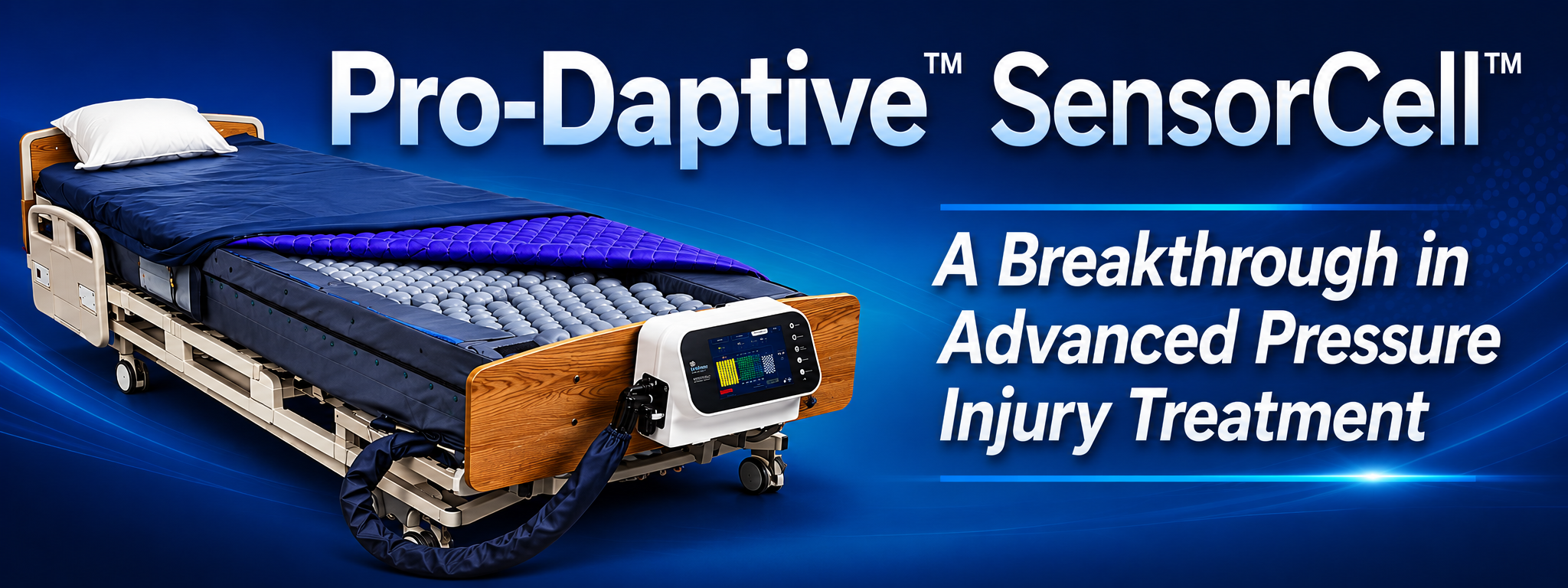
ProDaptive™ SensorCell™ – SEE THE FUTURE OF ADVANCED PRESSURE INJURY TREATMENT AT NPIAP 2026
ProDaptive™ SensorCell™, is the first of its kind medical support surface for the prevention and treatment of advanced pressure injuries. This next-generation mattress will be introduced at the 2026 National Pressure Injury Advisory Board Panel (NPIAP) Annual Conference, Booth 512 February 26-27 in St. Louis MO .
Designed for both facility and home care settings, ProDaptive™ is used to prevent pressure injuries in at-risk patients and support the treatment of complex, high-acuity pressure wounds including Stage III, Stage IV and Unstageable. Pro-Daptive™ SensorCell™ delivers unprecedented patient immersion, floatation, envelopment and pressure control. The system was developed to provide caregivers with an adaptive customizable support surface that delivers exceptional treatment flexibility and control. The patented SensorCell™ technology developed at LeviSense Medical™, delivers exceptional clinical performance without the limitations associated with existing advanced pressure injury support surfaces.
“Clinicians asked for a customizable therapeutic solution that adapts to the needs of each patient” said Ron Resnick, President of Blue Chip Medical Products, Inc. “ProDaptive™ Mattress is the result of years of research & development. Blue Chip is thrilled to bring this groundbreaking technology to market.”
“Independent testing yielded clinical performance that far exceeded our expectation.“
The ProDaptive™ mattress incorporates a groundbreaking adaptive therapeutic approach aimed at improving pressure management, patient comfort, customized treatment and surface stability, while maintaining ease of use and low maintenance requirements. Developed in collaboration with wound care specialists and validated through laboratory testing, ProDaptive™ SensorCell™ is positioned as a clinically effective, cost-efficient solution for the prevention and treatment of advanced pressure injuries.
Live demonstrations and detailed product information will be available during the NPIAP Annual Conference Booth 512.
For additional information or to schedule a demonstration, contact:
Blue Chip Medical Products, Inc,
Ron Resnick
1 (800) 795-6115
[email protected]
https://www.bluechipmedical.com/prodaptive-introduction/
About Blue Chip Medical Products, Inc.
For over three decades, Blue Chip Medical Products has been committed to providing innovative, blue chip-quality medical products that support positive patient outcomes. The company delivers personalized attention and customized clinical solutions to help healthcare professionals provide superior patient care.
What Is a Neutral Seating Position and Why is it so Important to Skin Health
A neutral seating position refers to a balanced, anatomically supportive sitting posture that reduces strain and pressure. This is especially important for individuals with limited mobility who spend significant time in a wheelchair, recliner, or bed.
Key Elements of Neutral Seating:
– Hips positioned at the back of the chair with the lower back supported.
– Feet flat on the floor or a footrest.
– Knees bent at a 90° to 110° angle—ideally slightly higher than the hips to prevent sliding and shear.
– Back straight, with relaxed shoulders—not hunched.
– Elbows resting comfortably at a 90° angle on the armrests.
Important: Achieving a neutral seated position before settling into the chair is vital. Avoid repositioning while weight-bearing, as this can cause shear forces on the skin. Instead, off-load body weight fully before adjusting posture.
How Proper Positioning Prevents Skin Breakdown
1. Pressure Distribution and Balance
A neutral posture allows body weight to be evenly distributed across a broader surface area, reducing stress on the coccyx, sacrum, and IT’s (sit bones) —areas most at risk for skin breakdown.
2. Minimizing Shear and Friction
Shear occurs when deeper layers of tissue are pulled in opposite directions, often during repositioning. Sliding in a seated or reclined position without off-loading can result in both surface and internal skin damage. A neutral seating position significantly reduces these harmful movements.
3. Postural Alignment and Seat Depth
Correct positioning of the knees and proper seat depth help prevent excessive pressure on the coccyx and sacrum. This is particularly important in home recliners or lift chairs, where poor seat design or posture can accelerate skin breakdown.
4. Cushioning and Support
Pressure-relieving cushions—whether gel, high-density foam, self-adjusting air, or alternating pressure—help minimize prolonged contact pressure. Choosing the right cushion should be individualized based on a person’s risk level and mobility.
5. Active Repositioning
Even in a perfect neutral position, regular off-loading is essential. Techniques like leaning forward, weight shifting, or using alternating pressure cushions and mattress systems can prevent tissue breakdown. Products such as alternating pressure wheelchair cushions, recliner overlays, and enhanced low-air-loss mattress systems with fowler positioning provide dynamic relief for high-risk individuals.
Conclusion
While many factors contribute to pressure injury development, patient positioning remains one of the most overlooked yet impactful. Achieving and maintaining a neutral seated posture not only helps prevent skin breakdown but also improves comfort, function, and quality of life for those with limited mobility.
Disclaimer: This content is for general informational purposes only and should not be used to diagnose or treat medical conditions. Always consult your physician for medical advice.
Authored by: Jeff Adise
Jeff has dedicated over 30 years to advancing wound care solutions. He is a product specialist and developer of therapeutic support surfaces for the prevention and treatment of Stage I–IV pressure injuries in hospital beds, home recliners, lift chairs, wheelchairs, and more.
Blue Chip Medical Products celebrates its 28th year of wound care innovation.
Blue Chip Medical Products proudly commemorates its 28th anniversary as a pioneer in the field of wound prevention and treatment. With a steadfast commitment to excellence and patient care, Blue Chip continually innovates new products that consistently set the standard for clinically effective wound care across the America’s and Europe. Through relentless research and development efforts, Blue Chip remains at the forefront of advancing wound prevention and treatment for Hospitals, Institutions, Nursing, Acute care, and Home Care.
Blue Chip’s latest advances in therapeutic mattress technology offer self-adjusting automation to provide patients optimal therapy while reducing patient handling. Other innovations change the way low air loss therapy is delivered, improving both the quality of the therapy as well as patient comfort and immersion. Yet other upcoming innovations will change the entire concept of pressure redistribution offering patients the most precise, individualized, and effective wound treatment. Blue Chip seeks to innovate the future of wound care.
As it celebrates this milestone, Blue Chip reaffirms its dedication to continue innovating and delivering cutting-edge solutions to address the evolving needs of healthcare professionals and patients alike.
Blue Chip is a proud US manufacturer and provider of therapeutic mattresses, wheelchair seating and positioning products, hospital products are much more. Blue Chip specializes in accommodating the needs of every patient: adult, pediatric, geriatric, or bariatric and the manufacture of custom mattresses and wheelchair cushions.
Blue Chip Medical Products, Inc.
7-11 Suffern Pl.
Suffern, NY 10901
Tel: (800) 795-6115
Web: www.bluechipmedical.com
New Products



Continuing Education Program

For Clinical or Technical Assistance
CALL 800 795-6115
For technical assistance or help choosing the correct product for your specific application.

Recent Blog
Beyond the Mattress: How Pro-Daptive™ SensorCell™ Is Transforming the Experience of Caregivers and Patients Alike
The ProDaptive SensorCell mattress provides ultimate pain relief for seniors, while making repositioning safer and easier for family caregivers.
The Hidden Cost of Pressure Injuries, and How ProDaptive™ SensorCell™ Is Changing the Financial Equation
The Prodaptive SensorCell mattress helps seniors stay independent and pain-free at home, while avoiding costly hospital stays.

Supporting K9 Heroes With Custom Transport Pads Built for Safety and Fit
Blue Chip Medical donates custom, medical-grade transport pads to keep service dogs comfortable, safe, and supported on duty.