



 MENU
MENU
The difference between Alternating Pressure and Air Fluidized Therapy AFT
COMMON USE
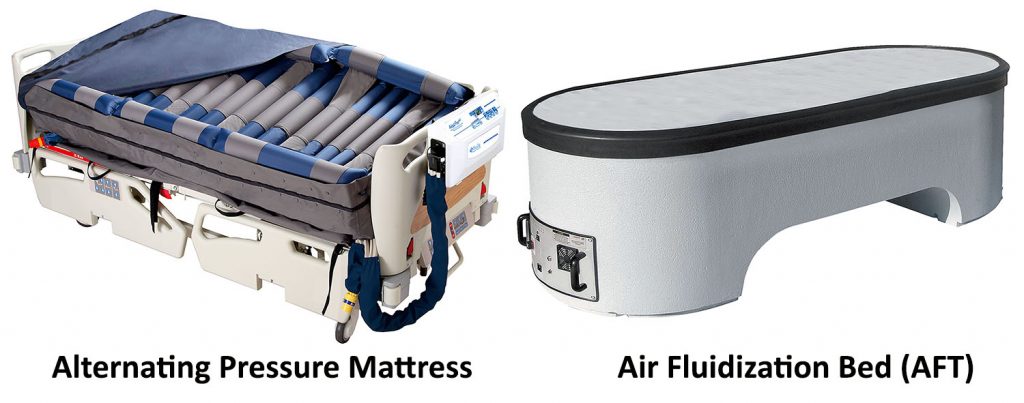
ALTERNATING PRESSURE Prevention & Treatment of Stages I-IV Pressure Injury
AIR FLUIDIZED THERAPY Treatment of Stages III-IV Pressure Injury, burns, flap surgeries, grafts & unstageable wounds
Both AFT and Alternating Pressure therapy are for the treatment of late-stage pressure sores. There are benefits and restrictions to each therapy. However, where, when, and how each therapeutic mattress is utilized is often misunderstood. This article explores those factors to give the reader a greater understanding.
Similar to Alternating Pressure, Air Fluidized Therapy (AFT) is for the treatment of Stages III-IV pressure injuries. However, because AFT provides better pressure redistribution and immersion than alternating pressure, it is utilized for more advanced wounds including unstageable wounds, burns, post graft, and post flap wounds. While it seems logical to select AFT over alternating pressure for the treatment of stage III-IV pressure sores, Air-Fluidized Therapy has many downsides. These must be taken into consideration when selecting a support surface for the treatment of Stages III-IV pressure sores.
Blood flow is essential to keep the skin healthy and for wound healing. The goal of AFT and Alternating Pressure is to improve blood flow to the skin. Both therapies help to alleviate unrelieved pressure by pressure redistribution and the reduction of interface pressures between the body and the mattress. Additionally, both therapies create a healthy micro-climate via low air loss to help control the heat and moisture that can make the skin prone to breakdown. How each therapy achieves these goals is different.
ALTERNATING PRESSURE LOW AIR LOSS MATTRESS SYSTEM
An Alternating Pressure Mattress is constructed of a series of air bladders the width of the mattress whose internal pressures “alternate” in timed cycles. The internal air pressures are controlled by an alternating pressure pump and set according to patient weight and comfort. Many of the mattress bladders are ventilated to allow for the gentle flow of moisture and heat-reducing air.
How Alternating Pressure Mattress Systems Work
Basically, an alternating pressure mattress is comprised of two sets of air bladders in a series, an odd series (bladders 1,3,5,7,9, etc.) and an even series (2,4,6,8, 10, etc.). While the odd series bladders are inflated and firm, the even series bladders deflate and soften. In 10-minute cycles the soft bladders become firm and the firm bladders become soft. This continually provides pressure redistribution between the body and the mattress, to help prevent and treat pressure injuries and diabetic wounds. Where and how the body is supported changes. Additionally, Alternating Pressure helps improve blood flow through a process called Reactive Hyperemia. Low Air Loss therapy is achieved through lasered holes in the bladders that allow air to gently escape.
In more advanced mattress systems such as Blue Chip Medical’s Adapt Pro Elite, the low air loss function is built into the cover thereby enhancing the low air loss therapy. Furthermore, these quality systems offer immersion therapy via a pulsation mode.
PRO
– Prevention and treatment of stages I-IV pressure wounds
– Excellent pressure redistribution
– Enhanced Low Air Loss Therapy
– Immersion therapy via pulsation mode
– Available in a greater range of mattress sizes to fit standard hospital bed frames
– Models to support bariatric weights up to and including up to 1000 lbs.
– Suitable for a more diverse patient population for size and weight.
– Surface stability and balance
– Adjustable patient comfort
– Automated features provide optimal therapy & require less caregiver training
– Low Maintenance
– Ease of transfers & patient care
– Offers full body therapy in Fowler position
– Low cost of acquisition and operation
– Possible use for post flap & post graft wounds
DISADVANTAGE
– Not suited for burns
AIR FLUIDIZED THERAPY (AFT)
An air-fluidized bed is commonly referred to as a sand or bead bed. There are full-body AFT and partial-body AFT therapy bed frames. On a full-body AFT bed, the patient must lay flat and rely on a wedge to achieve an incline position at the head of the bed (Fowler). A partial body frame provides the ability to incline the head of the bed however, limits the therapeutic area.
How do Air Fluidized Beds Work?
An Air Fluidized Bed is filled with approximately 1200 lbs. or more silicone beads. A powerful air pump blows air through the beads. The silicone beads rotate and frack essentially giving the beads the properties of a fluid, hence the term “Air Fluidization”. Air Fluidization therapy allows for immersion and envelopment of the patient into the surface and the equalization and reduction of interface pressures across the weight-bearing surfaces of the body. The powerful airflow rises through the cover to help keep the patient’s skin cool and dry.
PRO
– Advanced pressure redistribution for treatment of late-stage pressure injuries
– Appropriate for unstageable wounds
– Appropriate for burns
– Use for post flap & post graft wounds
– True Low Air Loss Therapy
– Excellent immersion therapy
DISADVANTAGE
– Patient dehydration due to high heat and airflow
– Difficulty with patient transfer and care
– May require a patient lifter for transfer
– Surface instability makes patient positioning difficult
– Weight of the bed and beds can exceed 1500 lbs or more
– Disinfection and cleaning of the beads
– Not easily suited for home use
– Can increase the ambient room temperature up to 10-15 degrees or more
– Cleanliness
– Maintenance
– Caregiver Safety
– Significantly High Cost generally for rental
Patient dehydration
In an already difficult recovery process, dehydration due to the high heat of air fluidization can affect healing and be very problematic for the patient.
Patient transfer & care
Since the patient can immerse in the surface, it can be difficult for a caregiver to reposition the patient for care or transfer. In many cases, the use of a patient lifter is required.
Surface instability & patient positioning
Due to the instability of the silicon bead medium, the surface can interfere with patient repositioning, Fowler positioning, and side-lying.
Weight of the bed for home use
The AFT bed is filled with approximately 1200 lbs or more of silicone beads. The full weight of the bed without a patient is approximately 1,500 lbs. This is often too much weight for home use. AFT should only be used on a supported first floor.
Cleaning and disinfecting of the beads
There are approximately 1200 lbs. of silicone beads that require cleaning and disinfection. If a patient is incontinent, body fluids, urine, and feces can infiltrate the cover. This requires the beads to be disinfected, normally monthly or sooner depending on the patient. Disinfecting the beads requires the beads to “cook” for 12 hours and then cool. Some AFT systems can clean and disinfect while others require a second piece of disinfection equipment called a bead cooker. In either case, the patient must be transferred from the bed and placed on an alternate therapeutic surface for the entire duration of the disinfection process (12 hours to cook and 12 hours to cool).
Disinfection through the use of special equipment requires up to 1,200 lbs of the beads to be removed from the bed. The clumped silicone “cookies” must be sifted and removed. The balance of the sifted beads is then placed into the disinfection equipment and “cooked” for approximately 12 hours. The beads are then cooled for as long as 12 hours before they can be replaced. To reduce patient handling and discomfort, another option is to have a second set of clean beads ready to be placed into the bed, while the soiled beads are being cleaned and disinfected. Cleaning is time-consuming, interferes with patient therapy, and is costly in energy use.
Ambient Temperature
While the temperature of the air flowing through the beads can to some degree be adjusted, the powerful air pump generates a lot of heat. This excess heat can increase the ambient room temperature up to 10 – 15 degrees or more in an already warm environment. This may require air conditioning to counteract the high room temperature to keep the patient comfortable.
Cleanliness, Caregiver Safety & Maintenance
The silicone beads often become airborne. They dirty all surfaces including the floor. Since the beads are slippery, this increases the possibility that a caregiver or patient may slip and fall. Cleaning and maintenance must be conducted on a regular basis.
Cost
AFT beds often range from $35,000 – $65,000 plus the cost of the beads and disinfection equipment. This is greater than 10 times the cost of a high-quality Alternating Pressure Mattress System ranging from $2,800 – $4,500. There are recurring maintenance costs for AFT. Even the monthly rental costs for AFT are very expensive.
Why it Matters?
Before selecting Air Fluidized Therapy for home use one must weigh the benefits and drawbacks: negative effects of possible patient dehydration and position in an already compromised patient, the amount of maintenance, cleanliness, and quality of care required for effective Air Fluidized Therapy, weight limitation of existing structure, environmental factors, cost and more.
Conclusion
Air Fluidized Therapy offers more advanced pressure redistribution, immersion, and air loss therapy, for the treatment of Stages III-IV pressure sores. However, alternatives such as a high-quality, hospital-grade Alternating Pressure Low Air Loss Mattress system should be considered, even for postflap or postgraft patients.

Authored by: Jeff Adise
Jeff has dedicated over 30 years to advancing wound care solutions. He is a product specialist and developer of therapeutic support surfaces for the prevention and treatment of Stage I–IV pressure injuries in hospital beds, home recliners, lift chairs, wheelchairs, and more.
What is Reactive Hyperemia and Why it’s Important for Wound Care
A Technical Overview for Clinicians, Hospitals, and Wound Care Professionals
Jump Links
- Clinical Summary
- What Is Reactive Hyperemia?
- Why Reactive Hyperemia Matters in Wound Care
- Clinical Deep Dive: What Causes Reactive Hyperemia?
- Reactive Hyperemia vs. Stage 1 Pressure Injury
- Clinical Workflow: What to Do When You Observe Reactive Hyperemia
- Why Support Surfaces Matter
- Clinical Data & Key Thresholds
- Frequently Asked Questions
Clinical Summary
Reactive hyperemia is a localized increase in blood flow that occurs after pressure is relieved from tissue. It is a normal physiological response indicating that temporary ischemia has occurred. In healthy tissue, this response is brief and resolves quickly. However, prolonged or abnormal reactive hyperemia may signal impaired tissue tolerance and an increased risk of pressure injury. Differentiating between transient hyperemia and early-stage tissue damage is critical in clinical assessment and intervention.
What Is Reactive Hyperemia?
Reactive hyperemia is the body’s response to periods of inadequate blood supply to a tissue or organ, such as the skin. This phenomenon in wound care refers to an increase in blood circulation in the small arteries and capillaries after the skin has experienced a temporary obstruction in blood flow. Obstruction in blood supply to the skin occurs from prolonged unrelieved pressure between the body and the support surface (ie wheelchair or recliner seat, mattress or more). This often results in pressure-related injuries, especially for those who are less mobile and are unable to reposition.
When blood flow to the skin is reduced or completely obstructed, certain metabolic changes occur within the skin. These changes include the accumulation of metabolic byproducts like carbon dioxide, lactate, and adenosine, as well as the depletion of oxygen and nutrients. Prolonged depletion of oxygen and nutrients in the skin cells causes the skin cells to malfunction and eventually die.
Reactive hyperemia occurs when the obstruction to blood flow is removed or reduced. This allows vital oxygen and nutrients to reach the affected skin.
An example in its simplest form,
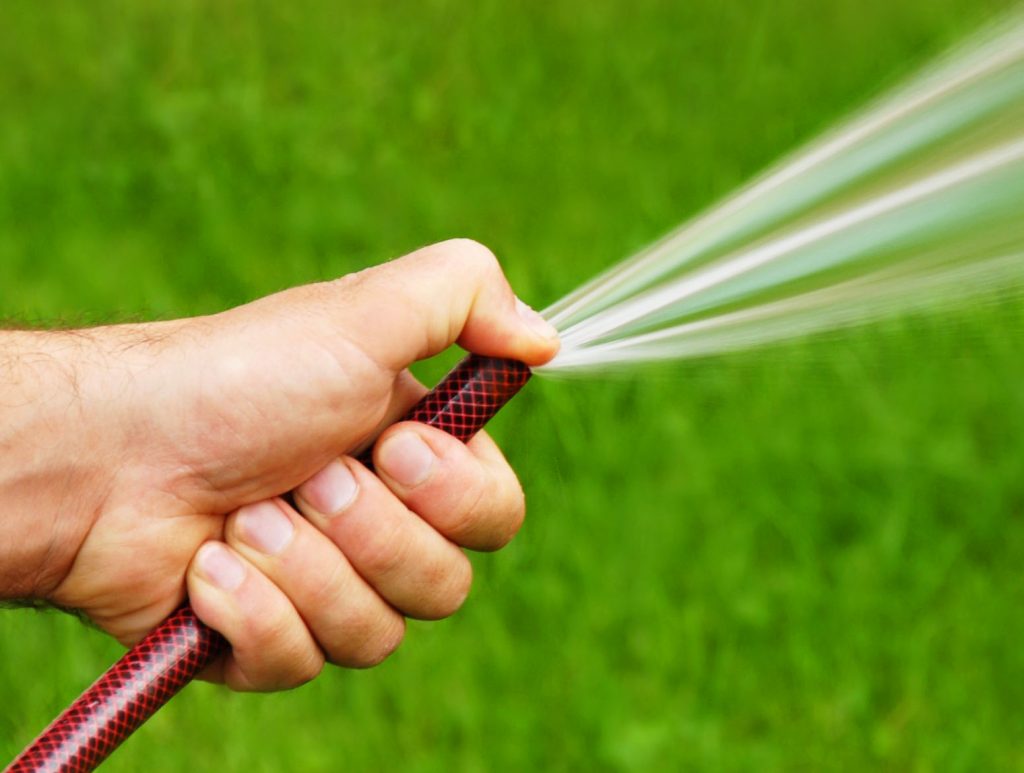
Picture a garden hose. Pinch off a garden hose with a thumb, creating an obstruction in the flow. Maintain the obstruction for 30 seconds and then release the pressure. The result is an initial pulse of water. When applied to the skin, the sudden restoration of blood flow exceeds normal levels in the affected area. In wound care, Alternating Pressure therapy with its timed cycles of “alternating pressure” is based on Reactive Hyperemia. Slight pressure applied to the skin, once released, forces an increased flow of blood into the skin. This increase in blood flow compensates for the oxygen and nutrient debt incurred during the period of reduced blood supply.
In addition to the physical forces that increase blood flow, there is a complex interplay of metabolic factors and cell signaling that enables rapid, increased restoration of blood supply.
The accumulation of metabolic byproducts during the lack of blood flow triggers the body to respond. One such byproduct, adenosine, stimulates the release of vasodilator substances such as nitric oxide (NO). Nitric Oxide causes the relaxation of the smooth muscle cells in the blood vessel wall (Endothelial cells). When the blood vessel wall relaxes it opens/dilates allowing more blood to flow to the affected skin. The increased blood flow delivers vital oxygen, nutrients required for skin health, and is essential for healing of pressure wounds.
Reactive hyperemia serves as an essential physiological mechanism to restore proper blood flow and is crucial for prevention and treatment of pressure wounds.
Why Reactive Hyperemia Matters in Wound Care
Reactive hyperemia plays a central role in the early detection and prevention of pressure injuries. It is often one of the first visible indicators that tissue has been exposed to sustained mechanical loading and reduced perfusion.
When pressure exceeds the tolerance of capillary structures, localized ischemia occurs. The body’s compensatory response—reactive hyperemia—provides insight into whether tissue is recovering normally or progressing toward injury.
Clinically, this makes reactive hyperemia a valuable assessment tool for:
- Identifying early tissue stress
- Evaluating pressure redistribution effectiveness
- Monitoring patient-specific risk factors
Clinical Deep Dive: What Causes Reactive Hyperemia?
At a physiological level, reactive hyperemia is driven by microvascular and biochemical responses to temporary ischemia.
When external pressure exceeds capillary pressure, several processes occur:
- Capillary occlusion reduces blood flow to the affected tissue
- Oxygen delivery decreases while metabolic waste accumulates
- Vasodilatory signals such as nitric oxide are released
- Blood vessels dilate to restore circulation
- Blood flow temporarily exceeds baseline levels
This ischemia-reperfusion response is essential for tissue survival but can become problematic if repeated frequently or sustained over time.
Reactive Hyperemia vs. Stage 1 Pressure Injury
| Feature | Reactive Hyperemia | Stage 1 Pressure Injury |
|---|---|---|
| Blanching Response | Blanchable | Non-blanchable |
| Duration | Temporary | Persistent |
| Tissue Integrity | Intact | Early damage present |
| Clinical Action | Monitor | Immediate intervention |
Accurate differentiation is critical to preventing progression into more severe stages of pressure injury.
Clinical Workflow: What to Do When You Observe Reactive Hyperemia
- Remove pressure from the affected area
- Reassess the tissue after a short interval
- Perform a blanching test
- Evaluate patient-specific risk factors
- Adjust support surface strategy if needed
- Document findings and monitor trends
Why Support Surfaces Matter
Reactive hyperemia is directly influenced by how pressure is applied and relieved over time.
Static surfaces may reduce peak pressure but do not eliminate sustained loading. This can result in repeated cycles of ischemia and reperfusion.
Dynamic support surfaces are designed to:
- Redistribute pressure over time
- Reduce prolonged capillary occlusion
- Support ongoing tissue perfusion
From a clinical perspective, effective pressure management is not just about reducing pressure—it is about preventing sustained ischemia.
Clinical Data & Key Thresholds
- Capillary closing pressure: approximately 32 mmHg
- Tissue damage risk may begin within 2–6 hours of sustained pressure
- Higher risk populations include immobile, elderly, and diabetic patients
These thresholds provide important context for evaluating tissue response and intervention timing.
Frequently Asked Questions
What is reactive hyperemia in wound care?
Reactive hyperemia is a temporary increase in blood flow following a period of reduced circulation, typically observed as redness in the skin after pressure is relieved.
How can you tell the difference between reactive hyperemia and a pressure injury?
Reactive hyperemia is blanchable and resolves quickly, while a pressure injury presents as non-blanchable redness that persists.
How long should reactive hyperemia last?
In healthy tissue, it should resolve within a short period after pressure is removed.
Does reactive hyperemia mean tissue damage has occurred?
Not necessarily. It indicates prior ischemia, but not all cases result in tissue damage.
How do support surfaces affect reactive hyperemia?
They influence how pressure is distributed and relieved, directly impacting tissue perfusion.
What role does pressure redistribution play?
It reduces prolonged exposure to pressure, helping prevent ischemia and tissue damage.
IMPORTANT NOTE:
The above are general statements, there are some exceptions. The above is not meant to diagnose or treat any medical condition.
Always seek the advice of a wound care professional.
Authored by: Jeff Adise
Jeff has dedicated over 30 years to advancing wound care solutions. He is a product specialist and developer of therapeutic support surfaces for the prevention and treatment of Stage I–IV pressure injuries in hospital beds, home recliners, lift chairs, wheelchairs, and more.
Blue Chip introduces Automated mattress functions that directly address a leading cause of skin breakdown.
Sinking into an Alternating Pressure Mattress is a common and overlooked problem that can lead to the development of wounds that must be addressed at the root cause.
For those with limited mobility, repositioning is essential to help prevent skin breakdown. A hospital bed frame that allows the patient to change the position of their head and feet can assist. However, raising and lowering the head of the bed into a Fowler Position can also increase a person’s risk of skin breakdown.
Bed Position
If a bed is in the supine position, a person’s weight is distributed across the entire surface of the body. However, when the head of the bed is inclined into a Fowler position, body weight shifts from being supported over the entire body surface to concentrated weight straight down on the patient’s bottom. This causes the patient to SINK into their mattress.
Sinking into a mattress is a leading cause of skin breakdown.
Sinking into a mattress causes the patient to ingress deeper into the mattress. As the patient sinks, they slide, and as they slide they are at a much higher risk of skin shear. This skin shear is often seen in the coccyx or sacral area. As bed position is changed by the caregiver and patient throughout the day, the shearing forces are continual. This creates an environment for non-healing wounds and if not corrected, promotes recurrence.
Blue Chip’s Automated Fowler Function helps Hospitals and nursing staff prevent skin shear in their patients.
Blue Chip Medical’s Adapt Pro Elite™ with enhanced low air loss features an Automatic 2-Stage Fowler Function. Blue Chip’s unique therapeutic function measures the degree of incline at the head of the bed and automatically adjusts pressures in the Sacral bladders to prevent patients from sinking, sliding, and shearing.
Adapt Pro™ Elite – Alternating Pressure, Enhanced Low Air Loss Mattress System with Automatic 2-Stage Fowler Function offers advanced and automated wound care technologies that improve patient care for the treatment and prevention of stages I-IV pressure and shearing injuries.
Hospitals and long-term care facilities report improvement in skin health, positive outcomes and patient comfort as the automated features reduce the workload on nursing staff.
The unique automated features of Blue Chip’s Adapt Pro Elite™ mattress system help prevent a leading cause of skin breakdown and treat coccyx and sacral wounds.
For more information on Blue Chip’s Adapt Pro Elite or other advanced wound care systems call (800) 795-6115 or visit us on the web at www.bluechipmedical.com
LINK: https://www.bluechipmedical.com/mattress-systems/air-mattress/adapt-pro-elite/
Authored by: Jeff Adise
Jeff has dedicated over 30 years to advancing wound care solutions. He is a product specialist and developer of therapeutic support surfaces for the prevention and treatment of Stage I–IV pressure injuries in hospital beds, home recliners, lift chairs, wheelchairs, and more.
Improving Mental Health Care using a Blue Chip Static Air Overlay Mattress
Improving Mental Health Care using a Blue Chip Static Air Overlay Mattress
By: Karen Valencia Hamed MSN, AMB-RN, CWOCN, Nurse Care Manager
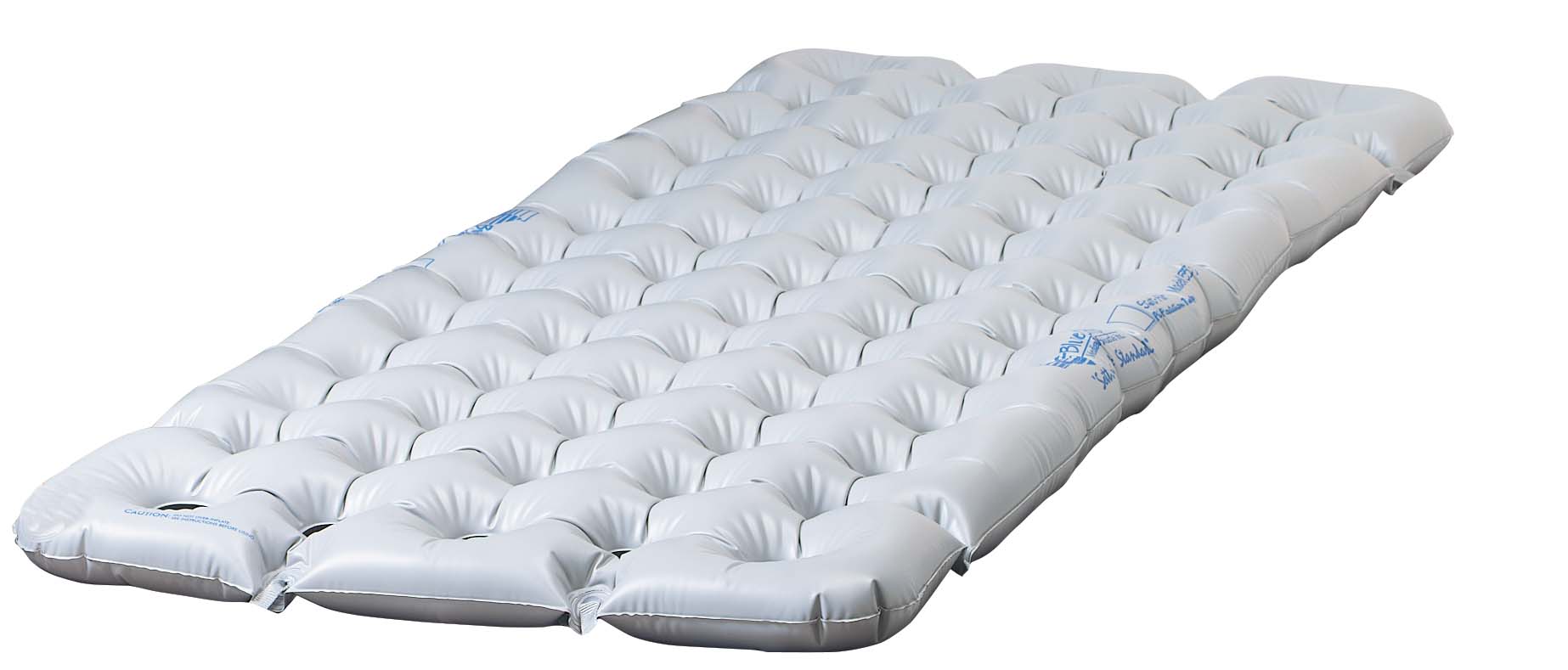
A Mental Health Acute Care inflatable static air overlay mattress
Patients in an Acute Mental Health unit have limited options among medical assistive devices. In this environment, limitations are in place to mitigate the risk of self-harm, as well as protection to other patients and staff from agitated behaviors. Because of these protective factors, standard inflatable overlay mattress cannot be used on an acute Mental Health unit due to small removable parts and corner straps that hold the mattress in place. Because of these risk concerns, a need for a functional, low-risk mattress, safe for the acute Mental Health inpatient setting was identified.
In our Medical Center, we have a 36-bed acute Mental Health unit. A standard inpatient room consists of stationary bedframes with a standard twin-size pressure-relieving foam mattress. The patient population ranges from young adults to the elderly. There have been some complaints of the mattress being uncomfortable by those patients who were sleep-deprived, those with chronic pain such as arthritis, and patients with skin injuries from pressure injuries and traumatic wounds.
All people need to sleep. Sleep is imperative for life, it is a biological requirement (Smyth, 2020). Rest and sleep are a critical element in healing from an acute mental health episode. Sleep hygiene is extremely important for those patients with a history of mental illness, because long episode without sleep is associated with cognitive difficulties, that can range from changes in a person’s mood to psychotic episodes such as hallucinations (Plante, D March 2020). Bernecker, et al (2020) states that sleep insufficiency has a direct influence on a person’s cognitive functioning.
After spending time searching for an inflatable static air overlay mattress, all options available were unacceptable for the acute inpatient Mental Health population. All the mattresses were manufactured with small removable parts and straps. The search began to find a company that would develop an inflatable static air immiscible overlay mattress that was safe for the acute Mental Health population. The following parameters were used as guidelines: the mattress must be single patient use, have no strings or small removable parts that could cause someone harm, have an adhesive bottom to stay on the bed, and it must be cost-efficient. After contacting several companies, Blue Chip Medical Products, Inc. in New York agreed to develop a prototype that met the guidelines listed previously and to include the following design: fits a single bed, no straps, non-skid adhesive strips on the bottom of the mattress, weight limit of 300 lbs., hand inflated, latex-free, cleans easily, and provides comfort and pressure redistribution.
Blue Chip Medical products produced a prototype for approval. The mattress was inspected and approved by the Mental Health Service Line Chief, Chief Nurse of Mental Health, Clinical Nurse Leader, and the Nurse Manager. The Chief of Mental Health provided a risk assessment document. To gain approval for a facility for trial, a request was submitted to the facility’s Clinical Products Review Committee (CPRC). The CPRC approved the Blue-Chip inflatable mattress for a ten-patient trial over three months.
Criteria was developed on who would receive the Blue-Chip Overlay Mattress. Upon admission, if a Veteran presented with two or more of the following issues they were offered a Blue Chip Overlay Mattress: chronic pain, bipolar disorder, psychosis, sleep deprivation, a stage 1 or 2 uncomplicated pressure injury, or had broken skin due to trauma or burns.
The trial dates were set for December 1, 2020 to March 1, 2021. Acute Mental Health nursing staff was educated on the product and the criteria for those who can receive a mattress for the trial. After three months, seven participants had successfully completed the trial, a lower number than anticipated due COVID-19 virus concerns.
To evaluate the overlay mattress for comfort and pressure relief, a Likert scale evaluation tool was developed. Each patient was asked to evaluate their satisfaction with the Blue-Chip Overlay Mattress. All patient responses were positive. Not all the participants provided additional comments, but the nursing staff noted that after putting the Blue-Chip Overlay Mattress on the bed, Patient X rested well through the night and was less restless and agitated in the morning. One patient was transferred into acute Mental Health from a medical-surgical unit with a healing stage 2 pressure injury. The patient said that he was able to rest better with the overlay mattress and the wound did not increase in size during his stay.
The nurses were also asked to evaluate mattress placement and care. There were no negative comments in their evaluations.
When delivering the outcomes of the trial to the CPRC members, it was a unanimous vote to approve this product as a safe option in care for our Mental Health Service Line. Currently, this product can be used in our acute Mental Health unit, Substance Abuse unit, and Post-Traumatic Stress unit.
To provide consistency in the mattress air volume and pressure, the staff will check the overlay mattress each shift. The mattress is checked by placing a hand between the air mattress and the foam mattress, at the hip area, to make sure there is enough volume of air pressure to float the patient’s body off the foam mattress. This ensures an allowance for immersion into the mattress to distribute their weight throughout the surface area, reducing pressure over bony prominences.
The following changes were made to the nursing documentation template:
Is patient on Blue Chip Overlay Mattress _____ Yes _______No
Air pressure checked in Blue Chip Overlay Mattress __________Yes ____________No
For Mental Health care, this product provides a fantastic opportunity to deliver quality care on mental health units that promotes comfort, aids in healing, and prevents pressure injuries.
If you would like this product for your facility, please contact:
Blue Chip Medical Products, Inc.
7-11 Suffern Place
Suffern, NY 10901
1-800-795-6115
www.bluechipmedical.com
References
Bernecker, Katharina, job, Veronika. Too exhausted to go to bed: Implicit theories about willpower and stress predict bedtime procrastination. British Journal of Psychology, Vol 111 (1), Feb, 2020 pp.126-147. Publisher: Wiley-Blackwell Publishing Ltd.; [Journal Article], Database: APA
Plante, David. The Importance of Sleep Phenotypes in Bipolar Disorders. JAMA Psychiatry. March 2020, 77,3, p.235-236
Smyth, Aisling; Australian Nursing & Midwifery Journal, Oct-Dec 2020;27 (1); 42-42. ½ p.
Disclaimer:
The views of this article do not necessarily represent those of the Salem Veteran Affairs Hospital or the Government, but those of the individual author.
Authored by: Jeff Adise
Jeff has dedicated over 30 years to advancing wound care solutions. He is a product specialist and developer of therapeutic support surfaces for the prevention and treatment of Stage I–IV pressure injuries in hospital beds, home recliners, lift chairs, wheelchairs, and more.
Mattress made for those with spinal cord injury allows independence and comfort control
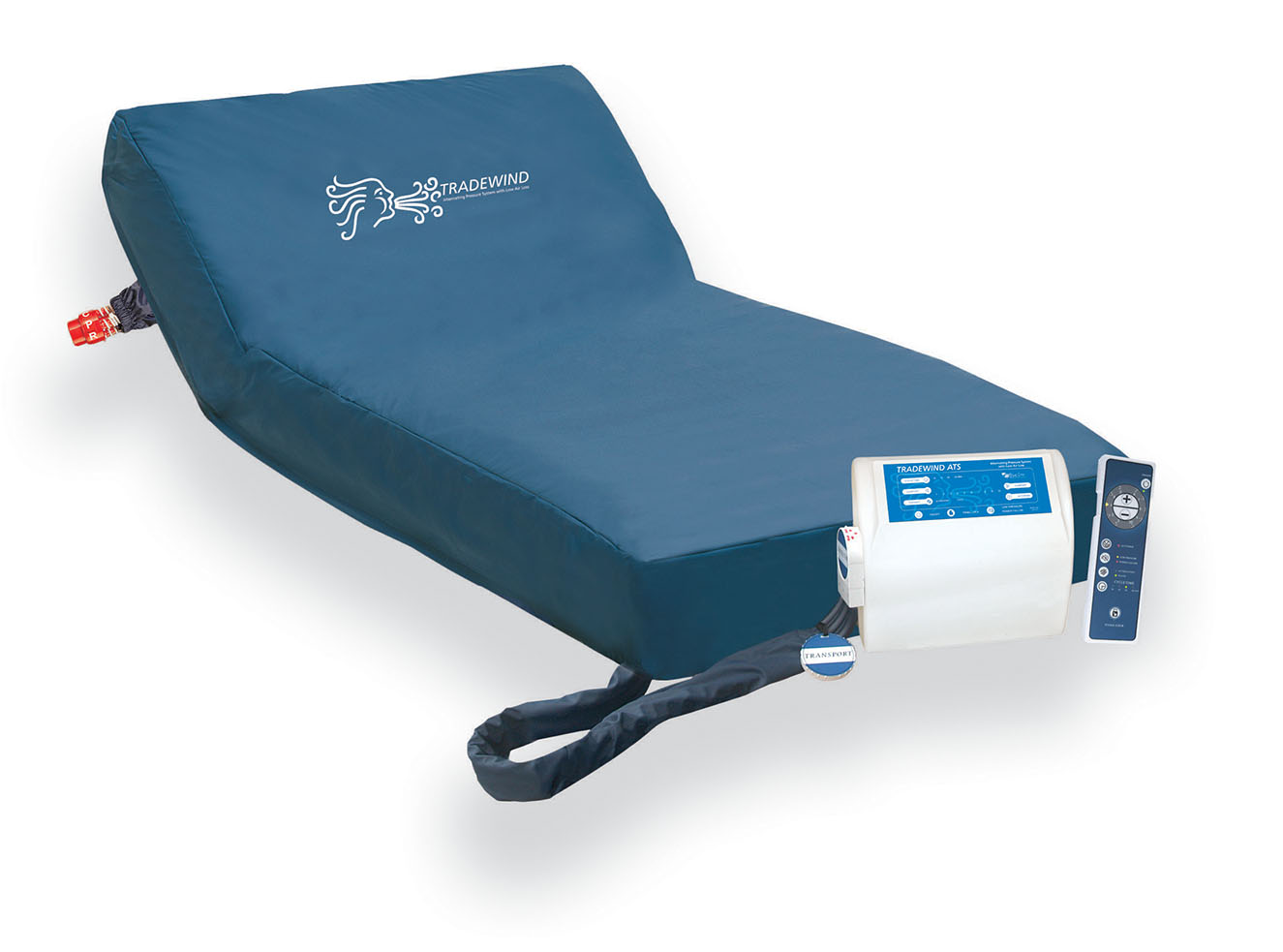
Alternating Pressure Mattress Made Specially for People with TSCI / Spinal Cord Injury.
Traumatic spinal cord injury (TSCI) is a substantial cause of impairment, with serious physical, functional and emotional repercussions. While TSCI will not exclusively compromise the life of the person after the occurrence, the reduction in functional independence has the greatest impact on a lot of people. The TSCI patient requires additional attention and care. Often it’s the immediate family that willingly accepts the role of a healthcare provider. However, many TSCI patients desire to be self-reliant to control their own comfort or even to participate in their care process which includes preventing pressure ulcers.
For most TSCI patients, Skin protection is achieved by using an alternating pressure mattress with low air loss. While though very efficient at skin protection, these systems need a care giver to regulate the standard or basic functions of system including patient comfort. For independent people with spinal cord injuries, this implies that they must count on others to control their comfort.
You can find recent advancements and innovations in skin protection support that addresses this need for those independent people who have spinal cord injuries. Based on request of an agency that provides medical services to those injured in action, Blue Chip Medical Products developed an alternating pressure with low air loss mattress system that features a hand held remote. The Tradewind-ATS-RC with remote control is simply perfect for any independent person who has been debilitated by a traumatic spinal cord injury or condition that affects their mobility. The Tradewind-ATS-RC Alternating Pressure Mattress with Low Air Loss provides a maximum in skin protection while providing people who have TSCI, traumatic spinal cord injuries to regain control of their comfort and independence 24/7 without the need of a care giver.
The Tradewind ATS-RC with wired patient remote is an easy to operate, easy to read hand held remote. The remote provides control over mattress pump functions including:
• Power
• Comfort Settings
• Alternating & Static Modes
• Cycle Time
• Auto Firm
• System Alerts
These remote functions allows independence and control of the therapeutic sleep surface 24 hours and day 7 days a week.
Available in 35”, 42” & 48” and models to support up to 750 lbs. For more information regarding the Tradewind ATS-RC.
Blue Chip Medical Products Inc. is a manufacturer of a full line of therapeutic mattresses, seating and positioning products and more. Blue Chip Medical’s manufacturing facility is located in upstate New York. Their products utilize the highest quality medical materials sourced in the USA.
Authored by: Jeff Adise
Jeff has dedicated over 30 years to advancing wound care solutions. He is a product specialist and developer of therapeutic support surfaces for the prevention and treatment of Stage I–IV pressure injuries in hospital beds, home recliners, lift chairs, wheelchairs, and more.
New Products


Continuing Education Program

For Clinical or Technical Assistance
CALL 800 795-6115
For technical assistance or help choosing the correct product for your specific application.

Recent Blog
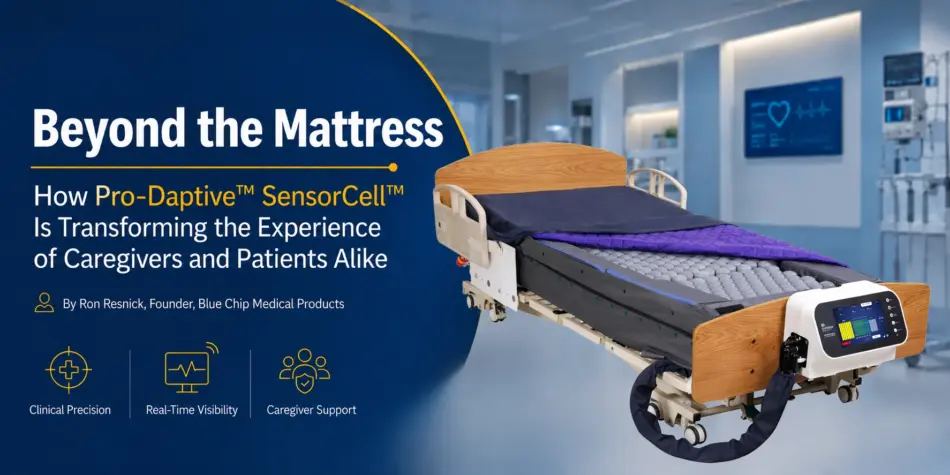
Beyond the Mattress: How Pro-Daptive™ SensorCell™ Is Transforming the Experience of Caregivers and Patients Alike
The ProDaptive SensorCell mattress provides ultimate pain relief for seniors, while making repositioning safer and easier for family caregivers.
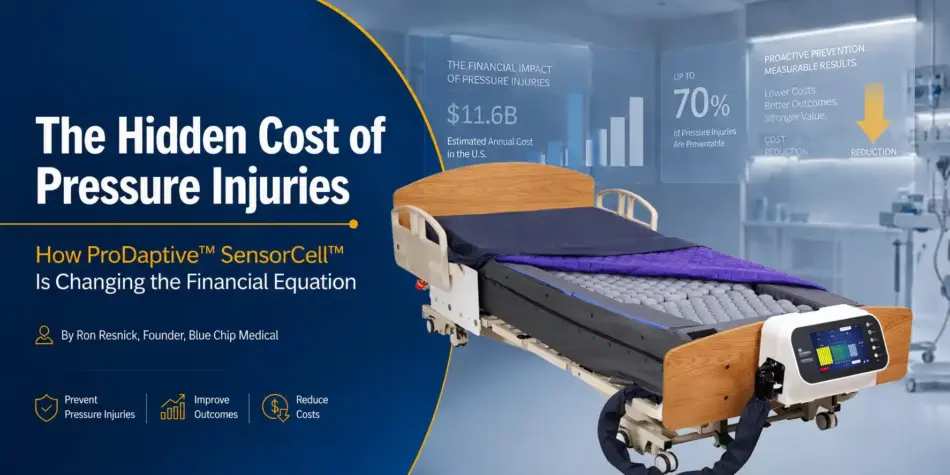
The Hidden Cost of Pressure Injuries, and How ProDaptive™ SensorCell™ Is Changing the Financial Equation
The Prodaptive SensorCell mattress helps seniors stay independent and pain-free at home, while avoiding costly hospital stays.

Supporting K9 Heroes With Custom Transport Pads Built for Safety and Fit
Blue Chip Medical donates custom, medical-grade transport pads to keep service dogs comfortable, safe, and supported on duty.